

Q: How can I spot and safely deal with a small paper wasp, yellowjacket, or hornet nest in early season?
A: In May watch for tiny, golf-ball-size paper nests tucked under eaves, near porch lights, in shrubs, or beside small ground holes. Those early nests are easiest and safest to remove at dawn or dusk. Call a licensed pro if the nest is inside walls or an attic, in the ground near play areas, or anyone at home has a severe allergy.
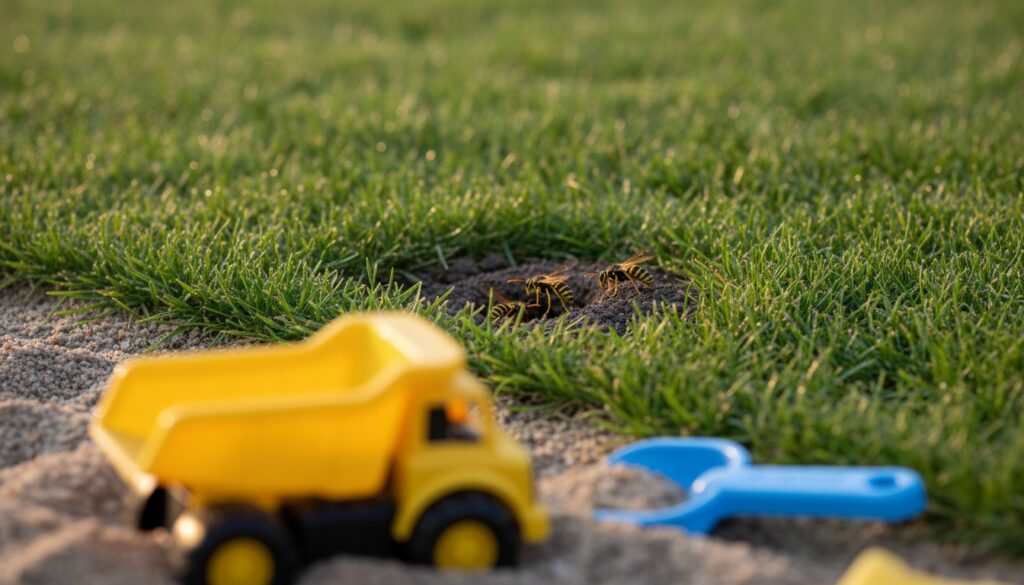
Table of Contents
- Introduction
- Know the Timeline: Queen Scouting in May and Why Early Detection Matters
- Identify the Culprits: Telling Paper Wasps, Yellowjackets, and Hornets Apart
- Safety First: When DIY Removal Is Acceptable, and When It Isn’t
- How to Remove Small Nests Safely (Step-by-Step, Dawn or Dusk Methods)
- When to Hire a Pro and How to Choose One You Can Trust
- Preventing Future Nests: Seasonal Home Maintenance and Wildlife-Proofing

Introduction
Picture a mild May morning. You open the garage, brush a cobweb from the porch light, and notice a small paper ball tucked just out of reach. That single queen is in scouting mode, and if you miss her now she will turn a delicate ball into a noisy, defensive colony by midsummer. This piece shows you how to spot early nests, how to tell paper wasps, yellowjackets, and hornets apart, and how to decide when removal is a sensible weekend job and when to call a licensed professional. You will also get step-by-step, seasonally timed tactics for safety, plus prevention tips to protect your family and your home.
Know the Timeline: Queen Scouting in May and Why Early Detection Matters
When nights and days warm into the 60s and 70s Fahrenheit, overwintered queens wake up and start scouting for nesting sites. For many regions that scouting happens in May, say university extension experts. At first you will usually see one wasp chewing soft wood and building a few cells where she will lay eggs. Colony growth is slow at the start, then accelerates once workers hatch. Activity peaks in late summer, when sting risk and allergic reactions increase, according to the CDC.
Catching a nest while it is still the size of a golf ball makes a big difference. Small nests are far easier and safer to remove than the football- or soccer-ball-sized colonies that can produce hundreds or thousands of workers by August. Our seasonal safety survey finds many homeowners first notice nests during early May checks, so a short, deliberate walkaround now prevents a much bigger problem later. If you see steady traffic to and from a small nest, that means workers are active and you need to act sooner.
Identify the Culprits: Telling Paper Wasps, Yellowjackets, and Hornets Apart
Paper wasps build open, umbrella-shaped combs attached under eaves, porch lights, or rafters, with cells exposed and a few adults visible. Yellowjackets prefer hidden cavities such as wall voids, attics, or ground holes and enclose their nests in papery material made from chewed wood pulp. Bald-faced hornets, which are a kind of yellowjacket, build large gray, football-shaped aerial nests in trees or shrubs. Early on a hornet queen may create a small papery ball that looks subtle until it grows.
Behavior is a key clue. Yellowjackets are more likely to nest near trash cans and in attics and they tend to be more defensive. Paper wasps can be less aggressive if left undisturbed. Spot a 2 to 3 inch gray papery ball high in a branch, and you are probably looking at a young hornet nest. Find a tiny umbrella comb beneath a porch light, and that is likely a paper wasp. Persistent flight paths to a bin or into a soffit suggest a hidden yellowjacket colony, and you should treat that situation with caution.
Safety First: When DIY Removal Is Acceptable, and When It Isn’t
Start every decision with a calm risk check: how big is the nest, where is it located, what time of day is it, does anyone in the household have a sting allergy, and is there a safe escape path if the insects get agitated. Small nests, about the size of a golf ball and in open, reachable spots such as a porch overhang, are the best DIY candidates, especially at dawn or dusk when activity is lowest. Follow CDC guidance on sting treatment and know your household allergy history.
Call a licensed pest control company when you see red flags: nests inside walls or attics, ground nests near play areas, large aerial nests above doorways, or dozens of workers entering and exiting. University extension services and the National Pest Management Association advise homeowners not to attempt removal in those situations. Respect product labels and safety instructions for any pesticide you use, and never burn nests or use gasoline or torches, because those methods create fire and structural hazards.
If you are uncomfortable with heights, awkward access, or the idea of disturbing a nest, hiring a pro is a practical risk reduction step. Professionals bring training, protective equipment, and insured methods that cut the chance of injury or property damage.
How to Remove Small Nests Safely (Step-by-Step, Dawn or Dusk Methods)
If your assessment supports a DIY approach, plan to work at dawn or dusk when most wasps are in the nest and activity is low. Wear layered, thick clothing with long sleeves and long pants, sturdy leather gloves, and eye protection. A head net helps if you have one. Use a long-handled scraper, a heavy-duty trash bag, and a flashlight with a red filter so you do not attract insects with bright white light. Turn off porch lights, move children and pets inside, and tell neighbors you will be working so they do not wander close.
For a small paper wasp comb under an eave, try a gentle scrape-and-seal technique. At dusk, with PPE on, loosen the comb with a long-handled scraper and lower it directly into the bag. Seal it quickly and place it in an outdoor trash can away from doors and windows. For a small yellowjacket entrance in turf, labeled dust formulations applied with a proper applicator into the hole can be effective. Always follow the EPA-registered product label for rates and safety, and keep children and pets away until the site is clear. For a small hornet nest in a shrub, use a labeled aerosol wasp spray from at least 10 to 15 feet away, then wait and observe for 24 hours before approaching.
After removal, double-bag the nest material and dispose according to local rules. Do not burn nests. Inspect the area for entry points, seal gaps, and check again over the following 24 to 48 hours in case a nearby queen tries to start a new nest. Exclusion is the best prevention, and it is often enough to stop a second attempt without chemical control.
When to Hire a Pro and How to Choose One You Can Trust
Call a licensed professional if nests are large, hidden inside walls or attic voids, in multiple locations on your property, or if anyone in the household has serious sting allergies. A good company will ask diagnostic questions, describe inspection steps such as locating entry points with a flashlight, and explain treatment options rather than offering a one-size-fits-all spray. Ask to see license and insurance, request a written estimate, and ask whether they use integrated pest management approaches that minimize broad insecticide use.
A reputable firm will explain options like vacuum extraction for attic nests, baiting for yellowjackets, or selective removal that protects non-target pollinators, and they will follow OSHA and EPA guidance. Check NPMA directories, your state pesticide regulatory agency, or your local university extension for vetted applicators. Beware anyone who suggests burning nests or makes unsafe improvisations. The right professional communicates clearly and offers evidence-based steps without scare tactics.
Preventing Future Nests: Seasonal Home Maintenance and Wildlife-Proofing
After removal, change the conditions that attracted the queen. Seal gaps in siding and soffits about one quarter to one half inch wide, screen vents and attic openings, keep outdoor garbage lids closed, and store woodpiles and lumber several feet off the house. Move flowering shrubs away from high-traffic areas like playsets and patios, and keep food and drinks covered when you are outside.
Make May scouting a household routine so you catch queens before they build a colony. Once or twice in early May walk your property and inspect eaves, sheds, porch lights, and attics with a flashlight and a simple checklist. Switch outdoor bulbs to yellow bug lights, replace torn attic screening, and install tight-fitting door sweeps so inviting gaps do not become nesting spots. Keeping combustible debris and stacked lumber away from your siding reduces both pest habitat and fire risk, and it removes the temptation to use flammable DIY tactics.
If you want more detailed steps on storm-related repairs, hiring contractors, or exclusion checklists, your state university extension and federal resources at FEMA and NOAA are good places to start. The EPA and the CDC also offer practical guidance on prevention and first aid for stings. Common homeowner questions include when to schedule annual exclusion work and whether pre-season professional inspections are worth the cost.