

The Hidden Pests in Your Firewood Pile
Your cozy winter fire could come with uninvited guests. From termites and beetles to ants and spiders, many insects see firewood piles as five-star winter lodging. The good news? With smart storage, inspection, and handling habits, you can enjoy a crackling fire without the creepy-crawly side effects.
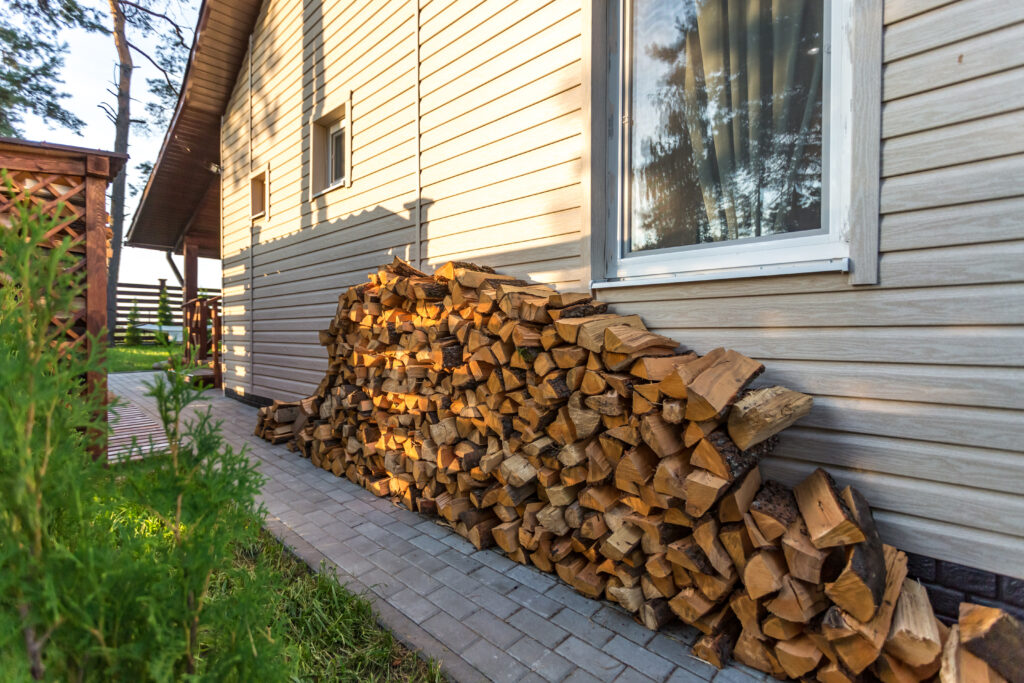
Table of Contents

There’s nothing quite like a fire on a cold nightthe crackle, the glow, the scent of cedar drifting through the air. But that cozy armful of logs you just carried inside might have come with a few uninvited guests. Hidden in the bark and crevices, tiny pests can hitch a ride straight from your woodpile into your living room.
Most are harmless, just looking for warmth. But some, like termites or carpenter ants, can cause problems if they find a reason to stick around. Knowing who’s hiding in your firewoodand how to keep them outsidelets you enjoy your fire without worrying about the crawlies.
The Pests That Love Firewood Most
Your woodpile isn’t just a stash of fuel. To insects, it’s a neighborhood: warm, damp, and full of places to hide.
Termites are the ones to take seriously. They feed on cellulose deep inside the wood and can slowly hollow it out. According to researchers at the University of Kentucky, termites don’t usually move from firewood into homes unless the logs sit close to the foundation. Still, they can travel underground in hidden tunnels that stretch for yards, connecting your woodpile to your house without a trace.
Carpenter ants prefer damp, decaying logs. If you’ve ever split firewood and found polished tunnels or large black ants running for cover, you’ve seen their handiwork. They don’t eat wood but hollow it out for nesting, which is bad news if they wander indoors.
Powderpost beetles are quieter troublemakers. Their larvae tunnel into hardwood, leaving behind a fine powder frass and pinhead-sized exit holes. You might not notice them until those tiny holes show up in your stack or, worse, on old furniture stored nearby.
Bark beetles and wood borers tend to appear in freshly cut wood with bark still attached. They’re not built for indoor life, but their sudden appearance after the logs warm up can be unsettling.
And then there are the freeloaders spiders, centipedes, earwigs, pill bugs, even the occasional wasp waiting out the cold. They’re more nuisance than threat and usually die off once inside.
Quick fact: Most insects in firewood can’t survive in a home’s dry air. They need outdoor moisture, bark, and shelter.
Why Firewood Attracts Insects
Stacked wood checks every box for pests: shade, moisture, and safety. When firewood sits directly on the ground, it soaks up dampness from the soil. That softens the wood, invites decay, and draws in pests. Add bark to trap humidity and you’ve built the perfect overwintering hideout.
Leave it alone long enough and generations of insects will come and go. Add piles of leaves or mulch nearby, and they’ll have an easy route from the soil into the woodpile.
There’s another issue, too wet wood burns poorly. It produces more smoke and creosote, which can build up inside chimneys and increase fire risk. Keeping your wood dry and pest-free protects your home and makes every fire cleaner. For broader safety tips, see Fire Safety Tips for Preventing and Responding at Home.
How to Store Firewood the Right Way
You don’t need fancy racks or equipment to keep your firewood clean just a few good habits.
Keep it away from the house.
Store your pile at least 20 feet from your home or garage. That distance alone keeps most pests from migrating toward your walls.
Raise it up.
A rack, metal stand, or even a few pallets will do. Lifting the wood six inches off the ground keeps it dry and away from ground-dwelling bugs.
Cover just the top.
Protect the wood from rain and snow, but leave the sides open for airflow. Covering the whole pile traps moisture exactly what pests love.
Use the old wood first.
Logs need at least six months of drying before they burn well. Stack the newest wood in back so you’re always burning the seasoned pieces first.
Pay attention to your climate.
In the South, where humidity lingers, airflow is everything. In northern climates, focus on shielding from snow and ice. Either way, never lean firewood directly against a wall or fence it keeps moisture locked in and insects right at home.
Bringing Firewood Indoors Safely
When it’s time to build a fire, bring in only what you’ll burn right away. The warmth inside can wake up sleeping insects in a matter of hours. Before you carry it inside, give each log a quick inspection. Look for small holes, sawdust, or loose bark. A firm shake outside usually takes care of any hitchhikers.
Skip the pesticides burning treated wood releases toxic fumes. If a few pieces seem especially buggy, toss them in an outdoor fire pit instead.
A small basket by the fireplace is plenty. Keeping a week’s worth of logs inside just gives insects extra time to crawl out and explore.
What to Do If Pests Emerge Indoors
If a stray beetle or spider wanders out of the woodpile, relax. They can’t survive long in dry indoor air. A quick sweep or vacuum is all you need. Spraying chemicals indoors won’t help and only adds unnecessary toxins to the air.
But if you start seeing winged ants or what looks like termites repeatedly, that’s worth checking out. Call a pest control professional to inspect your foundation or nearby wood framing. For more insight into pest prevention, see What Are the Best Methods of Termite Control.
For most homeowners, though, firewood pests are short-lived guests who won’t overstay their welcome.
Seasonal Firewood Maintenance
Spring
Once winter ends, clear out leftover logs. Move your stack to a fresh spot, sweep away leaves, and check for rot or mold.
Summer
Give freshly cut wood time to dry. Sunlight naturally kills many insects and helps the wood season before cold weather returns.
Fall
Inspect your firewood before moving it closer to the house. Look for holes, powdery residue, or soft spots. Replace worn covers or pallets to keep things tidy and dry.
Winter
Keep only a small indoor supply enough for a day or two. Check each log before bringing it in. A quick shake outside can save you from a few surprises later.
Why You Shouldn’t Store Firewood Indoors Long Term
It’s tempting to line your basement wall with neatly stacked logs or fill the garage for easy access. But that’s exactly how pests and moisture sneak inside. Basements are warm and humid, creating ideal conditions for termites or beetles that might otherwise die outside.
Even clean, dry wood can hide larvae deep inside. Once they emerge, they may wander into furniture or framing. Keeping your woodpile outdoors avoids the problem entirely.
There’s also air quality to consider. Damp wood grows mold and produces smoky, inefficient fires that release carbon monoxide. Storing it outside helps keep both your home and lungs healthy.
A Warm Fire, Without the Uninvited Guests
That firewood pile may be part of your winter ritual, but it’s also part of the natural world. Treat it like the outdoor material it is. With smart storage, a little distance, and a few quick checks before bringing it in, you can enjoy every crackle and glow without bringing nature inside too.