

Why are mice active in April and what should I do right now?
Mice stay active whenever your home offers warmth, food, and shelter.
Tonight, inspect likely entry points, secure food, and set a few traps to stop a small problem from growing.

Introduction
You open a closet after a thaw and find tiny black droppings. Or you wake to scratching in the ceiling, and it’s only April. Most people expect rodents to wait until spring, but house mice will shelter wherever conditions suit them warmth, food, a quiet nook. University extension services and the National Pest Management Association warn that a female mouse reproducing indoors can turn a late-winter surprise into a household headache before you know it. Take a few focused steps now and you can avoid contamination, shredded insulation, and the kind of wiring damage that quietly raises a fire risk.
Why mice are still active in April, and what fuels them now
Late-winter thaw cycles matter, too. Saturated ground and stripped-away outdoor cover reduce wild seed supplies, pushing foraging mice indoors a pattern NOAA and local extension bulletins note. And we don’t always help ourselves: moving birdseed, pet food, or boxes closer to the house hands mice food and nesting material on a platter.
House mice don’t hibernate. They stay active year-round if a house gives them steady heat, food, and places to nest which indoor life often does, according to the CDC and extension experts. A single female living in those steady conditions can have litters about every three weeks. So a warm, consistently heated home becomes an ongoing nursery.
Late-winter thaw cycles matter, too. Saturated ground and stripped-away outdoor cover reduce wild seed supplies, pushing foraging mice indoors a pattern NOAA and local extension bulletins note. And we don’t always help ourselves: moving birdseed, pet food, or boxes closer to the house hands mice food and nesting material on a platter.
Exactly where mice slip into your home
A mouse can squeeze through a hole about the size of a dime roughly 0.4 inches. Tiny cracks that look harmless are often highways. Start at utility penetrations where plumbing, electrical conduits, and cable lines enter; seals deteriorate with age and make easy openings. Check the roofline next. Freezing and thawing pry wood and panels loose, so inspect soffits, eaves, vent screens, and fascia for small gaps that lead straight into the attic.
Don’t forget ground-level trouble spots: door thresholds, garage seams, and compressed or missing door sweeps. Frost heave and worn weatherstripping create gaps you can see a flashlight through at dusk. Those little slivers of daylight are exactly what mice use.
Where mice hide in April
Attics and ceilings are favorites. Insulation and stored décor are warm and soft perfect for nests. Loose-fill insulation is especially easy for mice to shred and stash. If you hear nocturnal scratching above a bedroom, that’s usually when you’ll notice a nest near an HVAC chase, where residual warmth collects.
Once inside the building envelope, mice vanish into wall voids, crawl spaces, and under appliances. Check behind refrigerators and along studs for greasy rub marks. Don’t shrug off garages and vehicles either; engine bays, boxes of winter clothing, and stored holiday decorations are late-winter hot spots that turn into spring headaches.
How to spot mouse activity safely
Look, listen, and smell. Fresh droppings, chewed packaging, and a musky odor are the classics the CDC flags. Fresh droppings are about a quarter inch long and glossy. Greasy rub marks show where mice run the same routes, brushing their sides. Shredded insulation or paper points straight to nesting.
Mice are mostly nocturnal, so scratching in cabinets or pattering on attic joists usually happens after dusk and before dawn. Keep a simple log for several nights time, place, what you heard to find hotspots.
Treat droppings and nests as potential biohazards. Ventilate the area, wear gloves and a mask, and follow CDC guidance: spray droppings with disinfectant before wiping them up. Don’t sweep or dry-vacuum; that only stirs contaminated particles into the air.
There are safe, quick things you can do tonight. Sprinkle a light dusting of flour or talc along baseboards to reveal tracks. Set snap traps perpendicular to walls in suspected runways and bait them with a dab of peanut butter. Use a bright flashlight to scan attic insulation and vent flaps for disturbed material. Space traps every 8 to 10 feet along active runways for a typical household infestation. Keep traps and baits out of reach of children and pets. Skip glue traps they’re unreliable and a nightmare to clean up.
Practical late-winter proofing and control
Tonight, move pet food and birdseed into metal or heavy plastic containers with tight lids, wipe up pantry spills, and secure trash in rodent-proof cans. Place snap traps where you’ve seen droppings or heard noises and check them daily. With a focused trapping plan, many homeowners see fewer droppings in days.
Be careful with loose anticoagulant rodenticides. The EPA warns they pose real risks to children and pets; if you use rodenticide, choose tamper-resistant bait stations and follow the label exactly.
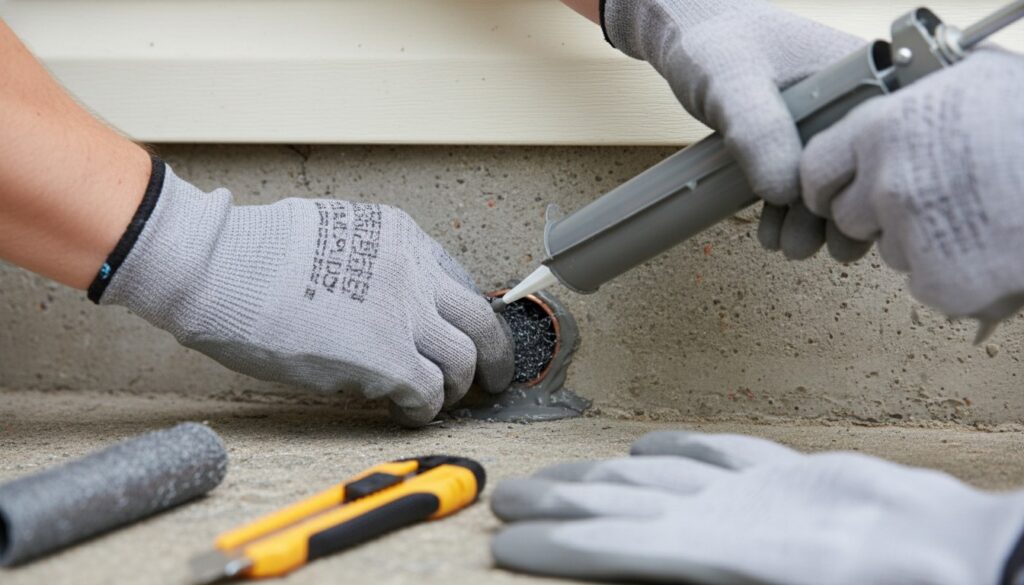
Do-it-yourself repairs stop reinfestation. Stuff steel wool or copper mesh into small holes and seal over them with exterior-grade caulk or expanding foam. Replace torn vent screens and install a chimney cap. Measure thresholds and replace door sweeps and weatherstripping so a gap doesn’t reappear with the next frost heave. Expanding foam fills voids but pair it with chew-resistant material like steel wool for long-term exclusion.
Call a licensed pest management professional if you find multiple nests, chewed electrical wiring, widespread droppings, or repeat invasions despite your efforts. If wiring has been gnawed, involve an electrician so a potential fire risk gets evaluated. Reputable pros use Integrated Pest Management sanitation, exclusion, and trapping first and they can find entry points you missed and recommend structural fixes that save money and worry down the road.
If you want step-by-step cleanup advice or help with attic-insulation repair, our guides on StaySafe.org walk you through it and link to resources from the CDC, EPA, FEMA, and university extension services. A few simple changes tonight can keep a small problem from becoming an expensive or dangerous one.