

How can I tell if termites are active around my home this season?
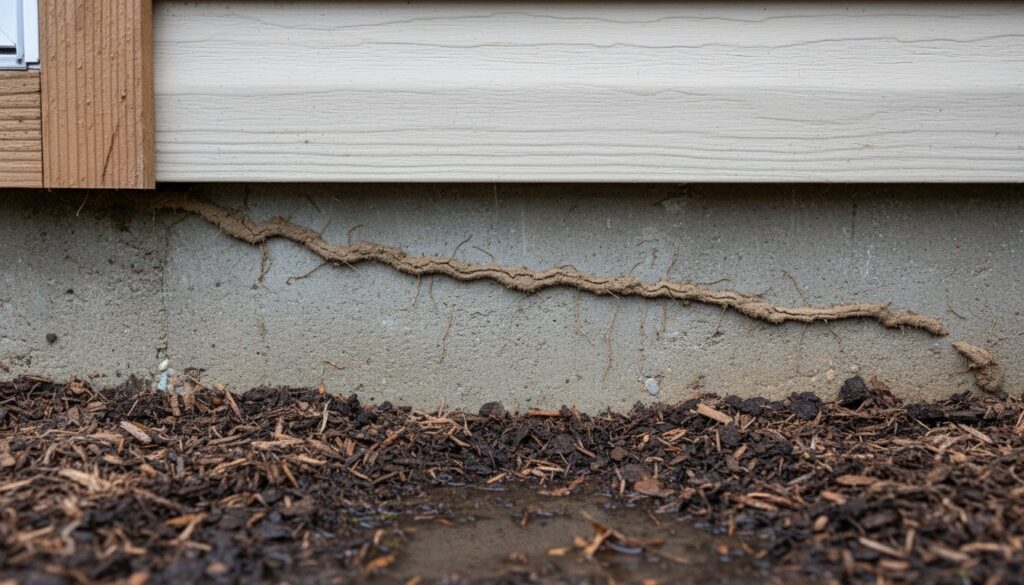
Look for discarded equal-sized wings, pencil-thin mud tubes, or tiny wood-colored pellets called frass. Photograph and date anything you find, and call a licensed pest professional if you discover active signs indoors or multiple exterior mud tubes.

Introduction
You wipe the rain off the sill and notice a scattering of translucent wings tucked in the corner. It feels like a spring nuisance until you know what those wings mean. Termites rarely announce themselves with dramatic holes; most of the time they whisper. By the time you notice sagging floorboards or blistered paint, they’ve been working quietly for months. This guide walks you through the early-season clues, why early detection saves money and headaches, and what to do today before the pros arrive.
When termite season starts timing, triggers, and what “swarming” really means
Termite swarmers show up when the weather hits a sweet spot: daytime temps around 60–80°F after rain or a mild breeze. In temperate regions, subterranean termites usually sweep out in late winter through spring as the ground thaws and stays damp. Drywood species tend to take wing later, in late spring or summer, when the air is warmer and drier.
A swarm is simply winged reproductives leaving a mature colony to mate and start new ones. Seeing even a handful of swarmers often points to an established colony nearby. Discarded wings, dead bodies under porch lights, or swarmers clustered by an exterior vent are reason enough to give your foundation and accessible wood a close look.
Picture a warm spring storm, porch lights humming, curtains pulled aside to reveal translucent wings along the sill. Termite wings have equally sized front and back pairs and are usually dropped where the insects shed them after mating. Learn when swarmers appear in your area, then look for the quieter signs their colonies leave behind.
Visible early signs around your yard and exterior foundation
Walk the perimeter after a warm rain and pay attention to small things: a thin scatter of paired wings by the garage, a smattering of tiny pellets behind a window, or a hairline mud tube climbing the foundation. Termite wings range from a few millimeters up to about half an inch small, pale and easy to miss. Photograph them, date the photo, and save it for the technician.
Mud tubes are a telltale sign of subterranean termites. They’re pencil-thin about 1/8 to 1/4 inch across and run up foundations, along crawlspace walls, or to deck posts, keeping foragers moist as they travel from soil to wood. Gently break a suspect tube and document the date; if it’s rebuilt within a few days, you’ve got active foraging.
Drywood termites don’t build mud tubes; they leave frass fine, wood-colored pellets that pile beneath infested trim or in corners. Check storm-damaged wood, heavy mulch mounded against siding, and stacked firewood pressed up to the foundation. Damp, decaying cellulose is a magnet for termites. Move those attractants away and seal the paths they use.
What to inspect inside your home
Indoors, termites are furtive. You’ll more often find indirect signals than dramatic evidence: a hollow thunk when you tap baseboards, bubbled paint that looks like blisters, or a door that suddenly sticks where it never did before. Grab a screwdriver handle and tap suspect wood baseboards, window frames, door jambs. A hollow sound or soft spot under gentle probing is a red flag. When wood flakes or crumbles, it’s time to step up the inspection.
Listen, too. A faint rustle behind a wall or tiny piles of frass tucked in a closet corner are clues. Termites favor moist wood, so check around leaks, condensation spots, and poor-ventilated areas.
Make crawlspace, attic, and plumbing-entry checks part of your seasonal routine. Look for mud tubes on rim joists, tunneling around support posts, or wings in attic corners and vents. Wear gloves, eye protection, and a dust mask in tight spaces. Bring a flashlight and camera photos help a lot when you talk with an inspector. Since termites prefer moisture, pay close attention to water lines, HVAC penetrations, and anything that traps dampness.
Why early detection matters structural, financial, and safety risks
Catching termites early keeps repair bills from ballooning. What looks like a soft stair tread or blistered paint can hide compromised joists and beams that need full replacement. NPMA and extension experts emphasize early inspections because limiting the damage often keeps repairs local rather than structural.
There’s also a safety angle. Termite-damaged framing under a porch or near a stairwell can become a collapse hazard during heavy rain or wind. Termites tunneling near electrical runs can expose wiring and raise the risk of shock or fire. Keep dated photos, inspection reports, and treatment records in a single file these documents help with repairs, warranties, and any future sale or refinancing.
Practical actions you can take immediately
Found wings or a mud tube? Start with moisture control and removing attractants. Termites need damp wood to thrive.
Do:
– Move firewood at least 20 feet from the house and keep it elevated on pallets.
– Rake mulch back several inches from siding and limit depth to about 2–3 inches.
– Repair gutters and downspouts so water drains at least 6 feet from the foundation.
– Maintain an 18–24 inch clearance between soil and any wooden siding or structural members.
– Reduce humidity and hiding places ventilate crawlspaces and fix leaks promptly.
Do small monitoring tasks, too: photograph and date findings, place a sticky trap near a swarming window to capture specimens for ID, and gently break suspected mud tubes to see if they’re rebuilt in a few days.
Don’t:
– Pour gasoline, kerosene, or unlabelled household chemicals into cracks or onto soil. Those actions are dangerous and illegal in many places.
– Attempt large-scale pesticide treatments without the training and licensing to do so safely. The EPA advises following product labels and leaving structural pesticide work to licensed professionals who know proper application rates and drift concerns.
Your notes and photos will help an inspector judge urgency and choose the right treatment.
When to call a licensed pest professional and what to expect
Call a licensed pest pro right away if you find intact mud tubes, piles of frass, active swarmers indoors, or structural members that probe soft with a screwdriver. If a load-bearing beam in the crawlspace feels spongy or you find tubes in several places around the foundation, schedule an inspection rather than waiting for sagging or collapse.
A thorough technician will check the exterior perimeter, crawlspace, attic, plumbing penetrations, and accessible wood. Expect moisture meters, a borescope in tight spots, and test traps to pinpoint activity. Treatment depends on species and severity: subterranean infestations often get liquid soil barriers or bait systems; localized issues may be handled with targeted wood treatments; widespread drywood infestations sometimes require structural fumigation.
Ask the inspector to explain the method, how long treatment takes, and what safety steps protect children and pets. Request proof of licensing, a written estimate and treatment plan, references, and a clear written warranty. For major structural repairs, get a second opinion so you don’t tear into healthy framing unnecessarily.
With a good inspector and clear documentation, you’ll go from worrying about wings on a sill to having a plan that protects your home for the season. According to StaySafe.org’s seasonal safety survey, roughly 28 percent of homeowners reported finding insect wings around windows after early spring storms so you’re not alone if you see wings this year.