

Why do bugs show up in homes during winter?
When temperatures drop, some insects sneak inside to stay warm. They’re not trying to move in for good or start a colony, just waiting out the cold in quiet corners like attics, basements, and wall spaces. Knowing which bugs do it, and how to keep them out, makes for a much calmer winter.

What “Overwintering” Really Means
When bugs “overwinter,” they’re not gone just on pause. Their metabolism slows, they stop reproducing, and they hide somewhere safe until spring warmth wakes them up again.
According to experts at the University of Georgia Extension, overwintering pests don’t multiply inside your home. They’re simply looking for steady temperatures and protection from the elements. Once warmer air returns, they stir from their hiding spots and instinctively head toward sunlight usually right through your living room window.
Which Bugs Overwinter Inside Homes?
1. Stink Bugs
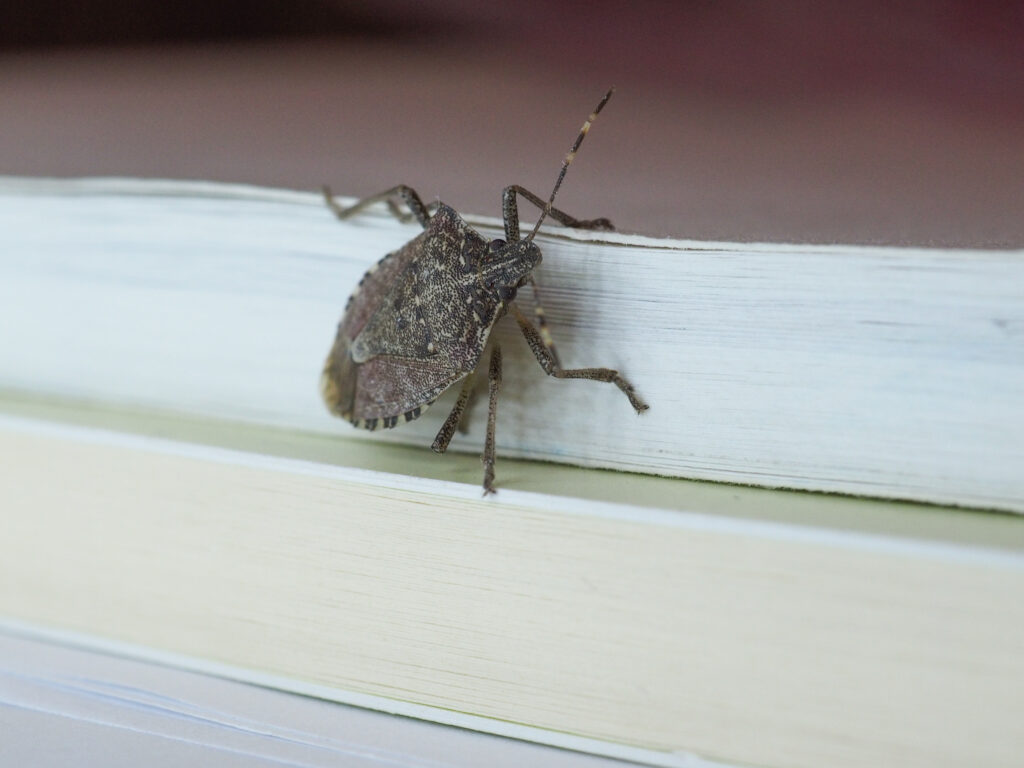
If you’ve ever seen a flat, shield-shaped bug crawling across your window in February, that’s a stink bug waking up early. In fall, they squeeze in through gaps around siding, vents, or window frames, then hunker down for the season.
They won’t damage your home, but if you crush them, they release a pungent odor that lingers. The best move? Vacuum them up and toss the bag outside.
2. Asian Lady Beetles
These look like ladybugs but aren’t quite as friendly. Slightly larger, orange-red, and marked with a faint black “M” behind the head, Asian lady beetles love gathering in clusters along ceilings and sunny walls.
They release a yellowish liquid that stains paint when disturbed. Experts suggest sealing cracks on south-facing walls and adding fine mesh to vents those small steps make a big difference.
3. Boxelder Bugs
These flat, black insects with red outlines are drawn to warmth. You’ll often see them clinging to the sunny side of your house in late fall, then quietly disappearing inside. They don’t bite or nest indoors, but hundreds can gather near windows or baseboards when temperatures rise.
If you’ve got boxelder or maple trees nearby, trim back branches that brush your siding that’s their entry highway.
4. Cluster Flies
Cluster flies are slower and louder than houseflies, often buzzing lazily around upper windows or attic beams. They don’t breed in trash their larvae actually develop underground near earthworms but they’ll happily spend the winter tucked behind insulation.
On unseasonably warm days, they wake up and start drifting toward light. A vacuum or fly swatter is all you need until the weather cools again.
5. Spiders
Spiders don’t hibernate like insects, but many take advantage of a warm, dry home. Most are harmless house spiders that have lived indoors for generations.
Winter sightings tend to increase because their food those overwintering bugs is easier to catch inside. Keep clutter low and vacuum regularly to make them less comfortable.
6. Carpenter Ants
Carpenter ants normally slow down in winter, but warmth and moisture can keep them active year-round. If you spot big black ants crawling around in January, they’re likely nesting inside a wall or damp beam.
That’s a sign to check for leaks or hidden wood decay not just an excuse to grab the spray bottle.
Why You Don’t Notice Them (Until You Do)
Overwintering pests are quiet guests. They find tiny gaps spaces no thicker than a credit card and disappear for months.
That’s why spring infestations seem sudden. The truth is, they’ve been there all along. You might hear faint rustling in the attic on a mild day, or spot a few groggy bugs near a sunny window. That’s usually your only clue.
How Do Bugs Get Inside, and How Can You Stop Them?
As summer fades, cooler nights drive bugs to find warmth wherever they can. Homes are perfect plenty of cracks, vents, and hidden entry points.
Common culprits include:
- Gaps around siding, doors, or windows
- Open attic or foundation vents
- Cracked seals around utility pipes
- Torn screens or missing weather stripping
Five easy ways to keep them out:
- Seal gaps and cracks with silicone caulk before the first frost.
- Fix or replace torn screens and worn door sweeps.
- Add fine mesh over attic and gable vents.
- Keep outdoor lighting minimal in fall many insects are drawn to it.
- Vacuum indoor pests instead of crushing them to avoid odors or stains.
If you’re seeing them year after year, pest pros can apply perimeter barriers around siding and trim in late fall.
For a closer look at early warning signs, read What Are the Signs of a Pest Infestation. And if you’re wondering what’s lurking out of sight, Pests You’ll Never See but Should Worry About Before Winter breaks it down.
When Should You Call a Professional?
If the same pests show up every winter, they’ve likely found a permanent way in. A pest professional can identify those gaps and treat hidden areas like attic corners or wall voids safely.
Structural pests, such as carpenter ants or wood-boring beetles, deserve special attention. They can quietly weaken wood over time and you don’t want to discover that in spring.
What Happens in Spring?
Once the days grow longer and the house warms up, overwintering bugs wake up and head for light. That’s when they appear near vents or windows, sluggish but alive.
The fix is simple: prevention in the fall pays off months later. Seal, screen, and check for leaks before the cold sets in, and you’ll spend your winter without the surprise of uninvited guests the six-legged kind.
FAQs
1. Why do bugs come inside during winter?
They’re chasing warmth and safety as outdoor temperatures drop. Homes provide both, especially in attics, basements, and wall voids.
2. Are overwintering bugs dangerous?
Most aren’t. But a few, like carpenter ants, can point to hidden water damage or wood decay that needs attention.
3. What’s the best time to pest-proof my home?
Start in late summer or early fall before insects begin searching for shelter.
4. Should I use insecticides indoors during winter?
Usually, no. Sealing and moisture control do far more good than chemical sprays.
5. How can I prevent bugs from returning next year?
Inspect siding, vents, and windows every August. A few tubes of caulk now can save you a season of surprises later.