

How do I know if pantry pests are in my home?
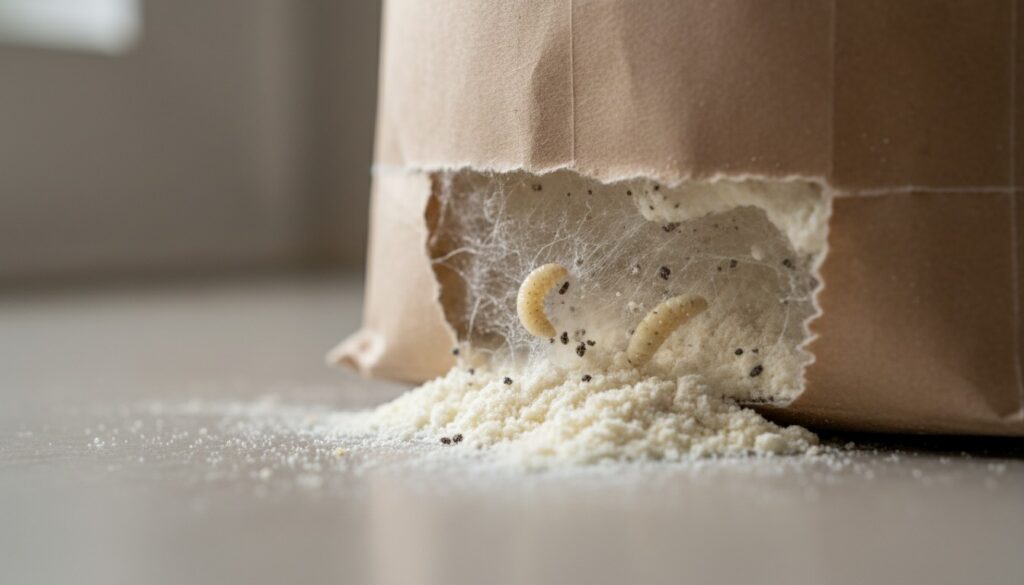
Look for tiny webbing, dust‑like frass, small beetles scurrying across a box or a two‑toned moth fluttering from a bag of flour. Odd stale smells or tiny holes in packaging usually confirm an infestation.

Introduction
Picture this: you reach for a bag of flour to bake, and a small cloud of dust and a moth lift out with it. An afternoon of cookies turns into an unwanted cleanup. Pantry pests moths, beetles and weevils move in quietly and feed on the dry goods you keep on hand: flour, rice, cereal, pet food, spices. Extension services and the EPA agree: they arrive both from stores and from outside, so anyone can get them.
The early signs are easy to miss. By the time larvae have spun silky webbing in a package or adult moths are drifting toward the light, you’re already dealing with an established problem. Read the clues, and the situation goes from “ugh, gross” to manageable. This guide walks you through the usual suspects, where they hide, a step‑by‑step inspection, how to clean and dispose of infested food safely, storage habits that stop comebacks and when to bring in traps or a pro. Regional and seasonal differences affect how aggressive infestations become, so your local climate matters.
Sanitation, exclusion and simple monitoring are the foundation basically the integrated pest management approach recommended by the EPA, CDC and university extension services. Think of this as a neighbor showing you the spots to check, then handing you a plan to keep pests out for good.
Identifying Pantry Moths, Beetles and Weevils
If a small two‑toned moth flutters out of a cabinet, you’re most likely looking at an Indian meal moth. Adults have a wingspan around 3/8 to 1/2 inch; the wings are bi‑colored, and the larvae are cream‑colored caterpillars that leave silky webbing in flour and cereal. They won’t bite or sting, but the larvae contaminate food and make a mess.
Tiny reddish‑brown beetles, about 1/10 to 1/8 inch long, crawling from a cracker box are usually flour or grain beetles. They move fast. A beetle with an elongated snout is probably a weevil granary and rice weevils are small but persistent, and rice weevils can fly into your kitchen from outside. One sighting doesn’t always mean the whole house is overrun, but clues tell the story.
Look for webbing along the inside of a flour bag, clumps in a spice jar, dust‑like frass, tiny holes in packaging and that stale, musty smell in grains. Larvae make nests of crumbs and silk in spilled cereal or pet food; eggs are often less than a millimeter, so contamination usually appears before you ever spot eggs. Once you can read these signs color, size, webbing, smell deciding whether to toss an item or salvage it becomes a lot easier.
A partially used flour bag with fine webbing near the seam usually means Indian meal moth activity. A cereal box with tiny beetles points to grain beetles. Whole grains with pinprick punctures suggest weevils feeding from the inside. Freezing at 0°F or heating at 120–140°F will kill eggs and larvae in many dry goods handy when you want to save something.
How Pantry Pests Enter and Where They Hide in Your Home
Most pantry pests arrive the same boring way: in groceries. Larvae or eggs are often present in opened or even apparently sealed packages, bulk bins and sacks. Cross‑contamination from pet food, birdseed or bulk dispensers at the store is a frequent culprit.
Some species, like rice weevils, will fly or crawl through gaps in windows, vents and door frames, so outside entry is possible. Search undisturbed corners where crumbs collect and temperatures stay steady: behind and under the stove or fridge, in cabinet seams, the back corners of pantry shelves, and in seldom‑used baking mixes. A forgotten spill behind a spice rack or a thin trail of crumbs under a toaster is all they need to hang on.
Off‑kitchen storage basements, laundry rooms, a garage bin of birdseed are common reservoirs. Older homes with drafty pantry doors or torn screens invite adults in. In short: anywhere that’s warmish, steady, and a little crumbly is appealing to them.
A Step‑by‑Step Checklist to Confirm an Infestation
Work one shelf or cabinet at a time so you don’t spread the problem. Lay items on a clean towel, use a flashlight and a sheet of white paper to shake crumbs and insects out onto those tiny beetles show up well against white.
– Check seams, folds and the inside of packages eggs and larvae cling to those creases.
– Discard any open package with live insects, heavy webbing, or obvious larval fragments.
– Tightly sealed, intact packaging can often be saved after careful inspection. Treat salvageable dry goods by freezing at 0°F for 4–7 days or heating at 120–140°F for about an hour both kill eggs and larvae in many products.
– Transfer cleaned and treated foods into airtight containers and label them with purchase or opening dates so you use the oldest first.
If you find one infested cereal box, pull everything from that shelf and inspect nearby cupboards. Pantry pests spread both horizontally and vertically by slipping through gaps or hitching rides on other items. Finding larvae inside a spice jar with a tight lid usually means prior contamination while the jar was open toss it and clean the shelf. Adults live for weeks, eggs are tiny, and patience during inspection prevents a small problem from becoming a big one.
How to Remove Infested Food and Thoroughly Clean Your Pantry
Act quickly. Double‑bag contaminated items in sturdy trash bags and take them straight to the outdoor bin. Don’t stash infested bags in a garage or on a porch they’ll give the pests a chance to come back.
Vacuum shelves, seams, corners and cracks where crumbs collect; empty the vacuum canister or dispose of the sealed bag outside so you don’t redeposit eggs in the house. After vacuuming, wash shelves with hot, soapy water, then wipe down with a 1:10 bleach solution or an EPA‑registered household disinfectant. Scrub corners and seams with a stiff brush or an old toothbrush silk and frass hide in tight joints. Dry thoroughly; moisture invites mold and other pests.
If pet food or bulk bins were infested, clean the containers before refilling. For heavily infested bags it’s safer to discard them and sanitize the storage bin. The EPA and integrated pest management guidance emphasize sanitation, exclusion and monitoring as first lines of defense; pesticides are a last resort, not a first line inside food storage spaces. These cleanup steps remove current food sources and reset your pantry so preventive habits actually work.
Long‑Term Prevention
Once the pantry is clean, airtight storage is the smartest investment. Move dry goods from paper boxes and flimsy bags into glass jars or heavy plastic containers with tight seals the original packages are porous and easy for beetles and moths to breach. Label containers with purchase and opening dates and practice first‑in, first‑out rotation. Our seasonal survey shows many homeowners spot pantry pests most often during warmer months, so dating and rotating reduce the chance that goods sit through a summer unnoticed.
Buy in bulk? Portion what you use frequently into smaller jars and keep the remainder in the freezer at 0°F until you need it freeze for 4–7 days to kill eggs before food goes on the shelf. Regular monitoring keeps prevention realistic: inexpensive pheromone traps for Indian meal moths catch adult males and give an early warning. Check traps monthly and you’ll catch activity before larvae do major damage.
Keep your pantry cool below about 70°F and relatively dry, ideally under 60% relative humidity if you can control it. Warm, humid conditions speed pest development. Keep pet food sealed and off the floor when possible, and avoid storing edible goods in garages or uninsulated basements where temperature swings and pests are common. Swap to rigid, sealable containers and clean shelves regularly; you’ll see a big drop in problems.
Treatments, Traps and When to Call a Professional
Start with nonchemical methods. Pheromone traps are great for monitoring and can reduce adult male moths, though they won’t eliminate a heavy infestation on their own. Heat or freezing to treat dry goods is effective and chemical‑free. Steam cleaning cracks and crevices can dislodge eggs and larvae in hard‑to‑reach places, and simple exclusion sealing cracks, installing door sweeps and fixing screens keeps adults from reentering.
If you consider pesticides, be cautious. The EPA and CDC advise starting with sanitation and exclusion; reserve chemicals for cases where those steps haven’t worked. Use only EPA‑registered products labeled for stored‑product pests and never spray inside containers or directly on food. Follow label directions and keep people and pets away until treated areas are safe.
Call a licensed pest management professional if infestations persist across multiple rooms, recur after thorough cleaning, or involve structural reservoirs such as wall voids or heating ducts. A small problem a few moths and minor webbing on one shelf often responds to traps, discard and weekly monitoring. Severe, recurring infestations that spread to several cupboards and pet food usually require a pro to find hidden reservoirs and recommend safe, targeted treatments. Keep a dated photo log and trap counts if you do call a technician it helps them find the root cause faster.
For more on related home hazards, see our guides on storm preparedness and family safety tips at StaySafe.org.