


What is the quickest way to keep your firewood from attracting insects or growing mold?
Keep it dry, lift it off the ground, and make sure air can move through the stack. Those few habits do most of the heavy lifting before you even bring a log inside.
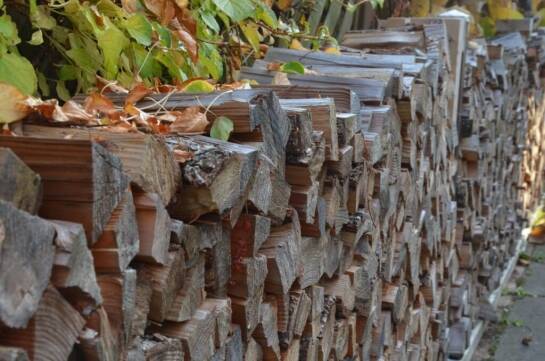
Table of Contents
- Why Firewood Attracts Insects and Mold
- How to Season and Prepare Firewood Properly
- Best Ways to Store Firewood Outdoors
- Keeping Pests Out of Your Firewood Pile
- Covering and Weather Protection
- How to Store Firewood Indoors Safely
- Troubleshooting: What to Do If Your Firewood Already Has Insects or Mold
- Firewood Safety Tips for Homeowners
- FAQs

If you’ve ever stepped out on a cold evening, grabbed a handful of firewood, and spotted a little sawdust or a sleepy beetle shaking off the cold near your hearth you know the feeling. Firewood looks simple enough, but it’s still part of the outdoors. Bark, moisture, tiny crevices: all the things that make a tree a tree are still there, and pests and mold know exactly how to take advantage of them. Once you understand what they’re drawn to, keeping your woodpile healthy becomes a lot easier.
Below is a practical guide to why insects and mold show up, how to season and store your wood the right way, and what to do if your stack is already showing signs of trouble. Think of it as a winter companion piece for anyone who relies on a warm fire when temperatures dip.
Why Firewood Attracts Insects and Mold
Freshly cut or poorly stored firewood is an open invitation for insects looking for insulation from the cold or a ready-made shelter when the weather shifts. Experts at the University of Georgia Extension note that many insects spend winter tucked deep inside wood, only waking up once temperatures rise often after you’ve carried them indoors. Mold is less subtle. It loves damp corners, shaded fences, and anything wrapped tight enough to hold on to moisture.
Common Insects Found in Firewood
A few familiar faces tend to show up:
- Carpenter ants settling into damp or softened wood
- Termites hiding in wet or decayed pieces
- Powderpost beetles leaving behind a light dusting of sawdust
- Bark beetles and borers from recently cut logs
- Occasional spiders or wasps simply looking for a winter hideout
They’re rarely harmful once inside, but no one wants to see them crawling across the living room floor.
How Mold Develops on Firewood
Mold is simpler to predict. It needs water and still air. A tightly wrapped stack or one pushed up against a shady fence creates exactly the environment it’s looking for. You’ll spot dark spots or fuzzy patches first, and in humid weather those can spread quickly. For broader mold guidance, the EPA’s guide to mold prevention is a helpful reference.
How to Season and Prepare Firewood Properly
Seasoned wood gives itself away. It’s lighter, sounds sharper when knocked together, and develops small cracks on the ends as moisture escapes. Proper seasoning is one of the simplest ways to keep pests and mold at bay since dry wood is far less inviting.
Splitting the wood helps too. More surface area means quicker drying, especially if you stack the pieces so air can reach them. Wood cut and split in spring usually performs well by the time you need it in fall, though hardwoods take a bit more patience.
When to Cover Your Firewood
This is where many homeowners get tripped up. Covering wood too early keeps it wet, even in dry climates. During the first stretch of seasoning, leave the sides completely open and cover only the top so rain and snow don’t soak the pile. For more moisture-control advice, the EPA’s best wood-burning practices offer clear guidance.
A tarp wrapped all the way around the stack turns your woodpile into a greenhouse for mold.
Best Ways to Store Firewood Outdoors
Placement is half the battle. A sunny spot with steady airflow makes a noticeable difference, especially after a stretch of wet weather. Most professionals suggest storing wood at least 20 to 30 feet from your house so insects don’t get a convenient bridge to your siding. If you’re unsure what’s living in your logs, StaySafe.org’s guide to carpenter ants vs termites can help you match the clues.
Firewood Racks and Pallets
Anything that lifts wood off the dirt will serve you well whether it’s a stack of pallets, a metal rack, or a quick DIY platform. Elevation keeps moisture from wicking up from the soil and makes the woodpile less appealing to insects living underground.
Airflow and Stack Design
A good woodpile doesn’t need to be tall. It needs airflow. Keep rows narrow so air can pass through, and cross-stack the ends to keep the whole structure stable. If the center of your stack starts bulging or leaning, it’s often a sign that wood inside isn’t drying properly.
Keeping Pests Out of Your Firewood Pile
Since insecticides are off the table burning treated wood is a safety hazard prevention is the easiest path. Knock off loose bark or debris as you stack, and move older wood to the front so nothing lingers long enough to decay.
Winter Pest Behavior
Most insects hidden inside firewood are simply dormant, waking up just long enough to wander off once they warm indoors. That’s why it helps to bring in only what you plan to burn within the next day.
Red Flags for Pest-Infested Wood
A few small signs can tell you a lot:
- Fine sawdust collecting under the pile
- Hollow or papery sounds when you tap two pieces together
- Tiny holes on the wood’s surface
- Clusters of ants or termite-like insects under the bark
If you’re concerned about termite activity, StaySafe.org’s termite safety guide offers direction on what to look for next.
Covering and Weather Protection
Rain and snow are tough on any woodpile, even a well-seasoned one. A rigid cover, like a metal sheet or purpose-built log topper, sheds water without preventing airflow. That balance keeps your wood dry and avoids trapping moisture beneath the cover.
Preventing Mold During Wet Seasons
If your region sees long stretches of rain or humid summers, you’ll need a slightly more attentive routine:
- Keep the bottom row well off the ground.
- Leave space behind the stack instead of pushing it against a fence.
- Pull the cover back on sunny days so the wood can breathe.
A quick rotation at the start of each season helps prevent neglected pieces from turning soft or moldy.
How to Store Firewood Indoors Safely
Indoors is for convenience, not long-term storage. A small basket or rack next to your stove works well, but storing large amounts inside invites moisture and the occasional insect. Choose a dry corner away from vents or humidifiers. Basements and attics tend to trap moisture, making them a poor match for firewood.
A quick tap or brush before bringing logs inside helps keep stray insects from hitching a ride.
Troubleshooting: What to Do If Your Firewood Already Has Insects or Mold
Even careful homeowners find the occasional moldy or insect-filled piece. Light mold usually fades after a few hours in the sun, but wood that’s soft or deeply tunneled belongs in the outdoor fire pit or garden path. If your stack sits close to the house and you’ve noticed pests nearby, consider a quick inspection from a local professional, especially in areas where termites are common.
Firewood Safety Tips for Homeowners
- Store wood away from your home’s exterior.
- Wear gloves and eye protection when handling rough or moldy logs.
- Use older wood first and restack occasionally to maintain airflow.
- Burn only dry wood indoors to reduce smoke and creosote buildup.
- Schedule annual chimney cleanings to maintain safe ventilation.
FAQs
What is the best way to keep insects out of stored firewood?
Keep your firewood dry, elevated, and away from soil. Shake off debris before bringing logs inside, and avoid storing more than you need for the day.
Is moldy firewood safe to burn?
Light mold is usually fine outdoors. Avoid burning heavy mold growth or crumbling logs inside your home.
How far should I store firewood from my house?
Most experts suggest 20 to 30 feet to reduce pest activity near your foundation.