

What should every family do before winter storm season starts?
Review your emergency plan! Make sure supplies are stocked, contacts are up to date, and backup heat sources are ready. Families who prepare ahead of time tend to stay safer and recover faster when the weather turns rough.
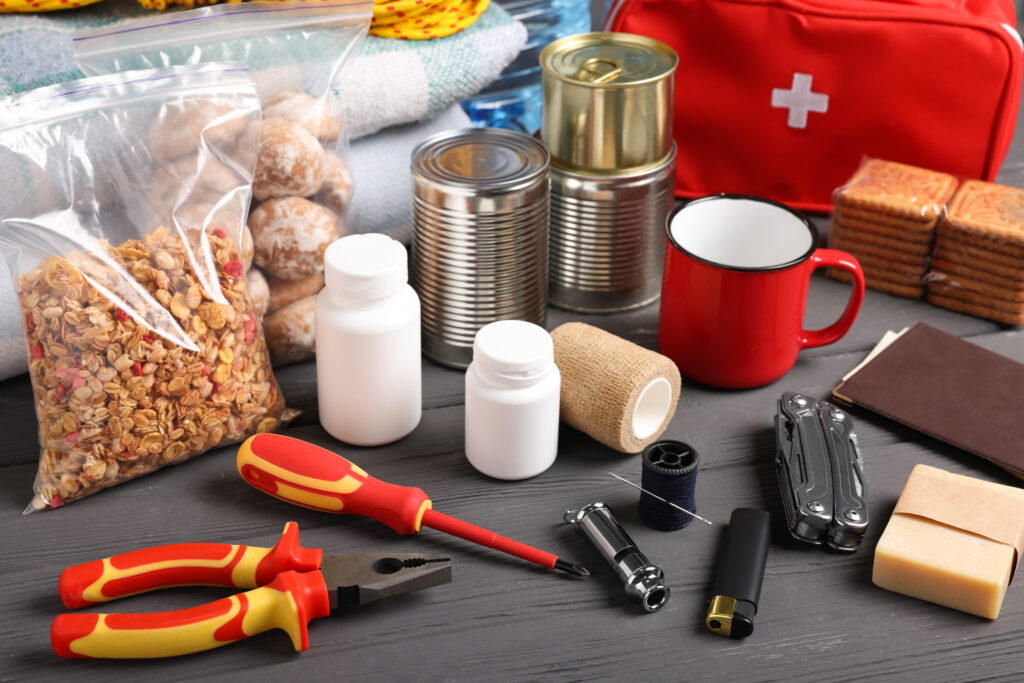
Table of Contents
- Why Winter Storms Are So Dangerous
- Step 1: Review Your Family Communication Plan
- Step 2: Check and Restock Your Emergency Supplies
- Step 3: Plan for Power and Heat Loss
- Step 4: Review Evacuation and Shelter Plans
- Step 5: Update Important Documents and Medical Info
- Step 6: Practice and Assign Roles
- Quick Checklist for Winter Storm Preparedness
- Why It Matters
When the first flakes fall, it’s easy to picture cozy nights by the fire, hot cocoa steaming on the counter, and the hum of your heater in the background. But when a cold snap knocks out power or freezes pipes, that comfort can vanish fast. Before that happens, take an hour to revisit your family’s emergency plan. It’s a small step that makes a big difference when winter decides to test your patience.
Why Winter Storms Are So Dangerous
Winter storms don’t play by the rules. One day it’s a dusting of snow, the next it’s ice-covered trees and howling winds that darken half the neighborhood. According to the National Weather Service’s winter safety guidance, hundreds of Americans are injured or killed each year from winter weather–related causes most from car accidents, hypothermia, or carbon monoxide exposure.
Even a thin glaze of ice can make roads treacherous or weigh down branches until they snap. Without power, homes lose heat quickly, and food spoils faster than you think. Fewer people plan for that than you’d expect. A good emergency plan fills in those gaps so you’re not left scrambling when temperatures drop and flashlights start flickering.
Step 1: Review Your Family Communication Plan
Q: How can families stay in touch when cell service goes down?
Start with communication because when power fails, talking to each other can get tricky. Decide how you’ll reconnect if phones or internet cut out. Write down everyone’s numbers and make sure they know where that list lives.
Choose one local contact and one out-of-town person who can relay updates. Pick two meeting spots: one close to home for quick check-ins and another in town in case you can’t get back. And if you have kids, walk them through who to call if they can’t reach you. It’s not about scaring them it’s about helping them feel confident if things get chaotic.
Step 2: Check and Restock Your Emergency Supplies
Q: What should be in a winter storm emergency kit?
Think of your kit as peace of mind in a box. FEMA recommends at least a three-day supply of food and water about one gallon per person per day but that’s just the start.
Add blankets, gloves, and extra socks. Flashlights and spare batteries. A battery-powered radio. Medications, a first-aid kit, and pet supplies. For the car, pack an ice scraper, shovel, traction sand or kitty litter, some snacks, and a blanket.
Replace expired items every fall and test what you can. When the forecast takes a turn, you’ll be glad you did.
Step 3: Plan for Power and Heat Loss
Q: How can you stay warm safely during a power outage?
Losing heat can be one of the hardest parts of a winter storm. Before the season begins, make sure your fireplace or wood stove has been serviced and that your generator runs safely outside never in a garage or near open windows. The CDC warns that carbon monoxide poisoning spikes every winter because of indoor generator use.
If the lights go out, keep the heat you have. Close doors to unused rooms, hang blankets over windows, and layer up. Sleeping in one shared room helps hold warmth longer.
You can find more detailed advice in Home Safety During Power Outages: Preparedness and Alternative Lighting. A few extra candles and a good plan can go a long way.
Step 4: Review Evacuation and Shelter Plans
Q: What if it’s too cold to stay home?
Sometimes the best option is to head somewhere safe and warm. Check your city or county website now most list local warming centers and emergency shelters, often with details on whether pets are allowed.
Keep a small “go bag” near the door with warm clothes, toiletries, important papers, and a few snacks. If anyone in your household doesn’t drive or needs help getting around, arrange a ride in advance.
For more guidance on storm planning, take a look at Home Emergency Preparedness: Creating a Plan for Natural Disasters. It walks through how to get everyone on the same page before trouble starts.
Step 5: Update Important Documents and Medical Info
Q: Which documents should you protect before a storm?
You never think about insurance or IDs until you suddenly need them. Keep hard copies of your policies, birth certificates, and medical cards in a waterproof container. Store digital copies in a secure cloud folder or on an encrypted drive you can grab in a hurry.
Update your emergency folder each winter with any new prescriptions, allergies, or doctor contacts. The calmer you are about paperwork, the easier recovery will be later.
Step 6: Practice and Assign Roles
Q: How often should families practice their emergency plan?
Once a year ideally before the first deep freeze. Make it simple and real: turn off the lights and see how fast everyone can find the flashlight or the emergency kit. Assign clear roles so no one hesitates when the storm hits.
Kids can handle smaller jobs checking on pets or gathering blankets while adults take care of updates and safety checks. It doesn’t have to be a drill-sergeant routine. Keep it short, a little lighthearted even. The goal is confidence, not stress.
Quick Checklist for Winter Storm Preparedness
– Family communication plan updated
– Emergency supplies checked and replaced
– Backup heat sources inspected
– Evacuation and shelter plans confirmed
– Important documents secured
– Family roles practiced and reviewed
Why It Matters
Preparing for a winter storm isn’t about worry it’s about confidence. When you’ve already thought through the what-ifs, you can focus on comfort instead of panic. Maybe the lights go out, maybe the wind howls but you’ll know exactly what to do. And when the snow finally stops and the neighborhood lights flicker back on, you’ll be grateful you took the time to plan ahead.