

What’s the quickest way to prepare my home for spring storms?
Start outside check the roof, gutters and windows, refresh a 72-hour emergency kit, test your generator and sump pump, and secure outdoor items. Most homeowners can finish the highest-impact checks in an afternoon.
Introduction
Picture stepping outside the morning after a late February squall: branches scattered across the lawn, a blue tarp flapping on your neighbor’s roof, and your phone buzzing with severe-weather alerts. Spring brings warm weather and fresh hazards: high winds, heavy rain, hail and, in some places, tornadoes. As you shift from winter-ready to spring-ready it’s easy to miss a loose shingle, a clogged gutter, a weak tree limb or a generator you never tested.
If you want a deeper how-to on kits and broader readiness, see StaySafe.org/storm-prep. And take a few photos of your home’s pre-storm condition now; they make claims and repairs much simpler later. Common follow-ups we hear: when to buy flood insurance, and what exactly goes in a 72-hour kit.
Inspect Roof, gutters, windows and doors
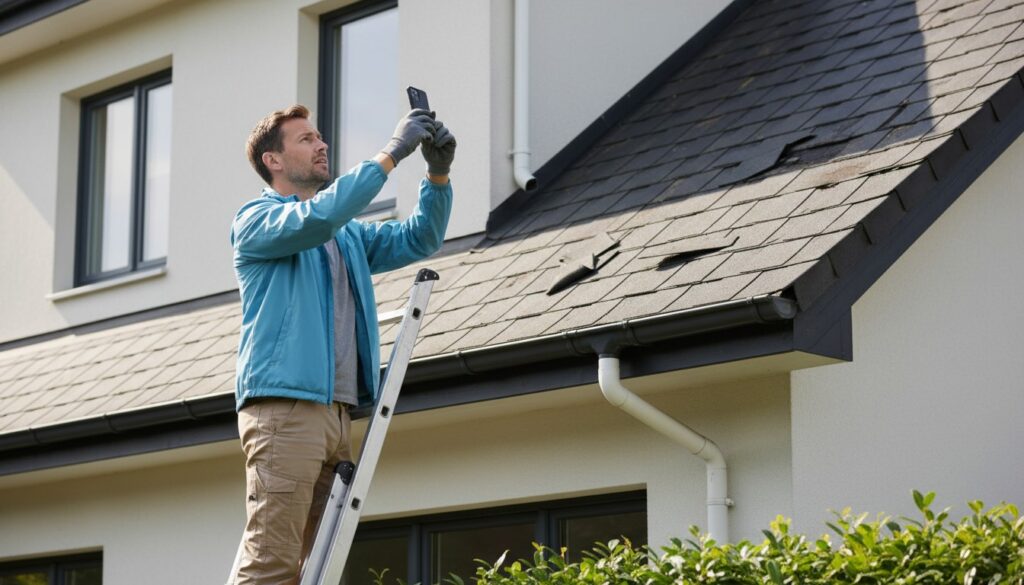
Start outside most storm damage begins at the home’s envelope. Walk the perimeter and look up. Missing, cracked or curled shingles often show from the ground if you bring binoculars. Flashing lifted around vents and chimneys is a red flag: that’s where leaks start when wind-driven rain hits. Asphalt shingles usually last 15 to 30 years depending on quality and exposure; if your roof sits toward the older end of that range, plan for repair or replacement rather than quick patchwork. Spring is when wind and hail claims spike, so assume the risk continues after winter storms. A temporary tarp buys time; a licensed roofer fixes the problem.
Gutters and downspouts deserve attention because spring storms pair heavy rain with seasonal debris. Clean out winter leaves and grit so water can flow, and aim downspouts at least 3 to 4 feet away from the foundation. A short flexible extension is cheap and effective. Look for low spots where water pools near foundation walls or compacted soil; add splash blocks or regrade as needed. University extension services and FEMA recommend diverting runoff away from foundations to lower basement-flood risk. Sandbags help for brief events; long-term drainage solutions are more reliable.
Windows, doors and seals are where wind and water try to get in, so inspect caulk lines, weatherstripping and thresholds for gaps. Replace cracked caulk, slap fresh weatherstripping around doors and make sure locks and latches engage. A good seal saves on energy too. Don’t forget basement window wells clear the debris and add clear covers so wind-driven rain and melting snow don’t seep in. Tighten the outside first, and you’ll be in a much better position to protect interior systems if power or heat goes out.
Check heating, plumbing and power systems
Spring still throws cold snaps, so treat heating and chimneys as part of storm prep. Change furnace filters and follow the MERV guidance that fits your system to keep airflow steady and avoid shutdowns during high demand. If you skipped an annual tune-up this winter, book one now. For wood stoves and fireplaces, have the chimney inspected and swept for creosote; after high winds, glance for loose mortar or a displaced cap. The NFPA recommends annual cleaning to cut fire risk.
Pipes and sump pumps are the hidden failures that turn a storm into a disaster. Look for exposed pipes in basements and crawlspaces and add foam insulation where needed especially on exterior spigots and unheated runs. Test your sump pump by pouring a bucket of water into the pit and make sure any battery backup or alarm works. Consider a battery or water-powered backup if losing power would be catastrophic. Even in March an overnight freeze can burst an uninsulated pipe; university extension services stress insulating unheated runs for that reason. Many homeowners ask whether a generator can run a sump pump. Yes if the generator is properly sized and wired; check the pump’s wattage and consider a transfer switch for safety.
Power interruptions often follow severe weather, so generator safety matters. Check fuel and fresh oil, and run a short load test outdoors. Never run a generator in a garage or enclosed space carbon monoxide is deadly. Avoid backfeeding the grid by using a transfer switch. If you’re thinking long term, a professionally installed standby generator with automatic transfer is far safer than running extension cords to coils of equipment. Replace batteries in smoke and carbon monoxide alarms and test them before storm season. A 10 to 20 minute run test under load can reveal problems you don’t see on a quick start.
Emergency supplies, family safety and pet plans
Readiness is more than a kit on a shelf; it’s a practiced set of decisions you can make fast when alerts flash on your phone. Refresh a 72-hour kit with at least one gallon of water per person per day, three days of nonperishable food, a flashlight, spare batteries, a battery-powered or hand-crank radio, a first-aid kit and prescription medications. Rotate food and meds seasonally so nothing expires mid-emergency. Keep critical documents in a waterproof, fire-resistant safe or in encrypted cloud backups so you can grab them quickly. FEMA recommends the 72-hour baseline; the CDC stresses special-needs planning for medical devices and meds. A small amount of cash in small bills is practical too.
Drilling where you’ll shelter turns panic into practiced calm. Pick your safe spot now a basement, an interior room, a small windowless closet and run a 60-second drill to get there fast. Program an out-of-state contact in everyone’s phone and enable wireless emergency alerts on your devices. NOAA’s Storm Prediction Center and your local National Weather Service issue county-specific warnings that can save lives. Families who rehearse move faster and with fewer injuries when a real warning sounds.
Don’t forget pets, seniors and household members with access or functional needs. Include pet carriers, food, vaccination records and a list of pet-friendly shelters. Pack mobility aids, extra batteries for oxygen concentrators and a plan for refrigerated medicines if someone depends on them. Local health departments, FEMA and the CDC have guidance for sheltering with pets and for households with disabilities. A favorite blanket or chew toy is a small comfort that pays big dividends under stress. Pet owners tell us a leash, carrier and up-to-date ID greatly speed shelter entry.
Home security, insurance and important documents
High winds turn loose objects into hazards. Secure outdoor furniture, grills, trampolines and potted plants before a storm hits bolt or anchor what you can and bring lightweight items indoors. Check motion lights and exterior locks so your home looks occupied if you must evacuate. Windborne debris causes a large share of damage in high winds; anchoring sheds or weighing down panels reduces the chance your belongings become projectiles. A visible camera and motion lights often deter opportunistic theft after storms.
Insurance is where preparedness meets paperwork. Review what your homeowner’s policy covers and whether you need separate flood insurance through the National Flood Insurance Program. Use FEMA flood maps to verify your risk, photograph high-value items now and keep receipts and inventories backed up in the cloud and a waterproof folder. Remember NFIP policies commonly have a 30-day waiting period before they take effect, so don’t wait until a storm is imminent. Homeowners who photograph valuables and record serial numbers generally see faster claim resolutions.
If damage happens, quick documentation speeds claims. Create a storm-contacts list with your agent’s number, municipal utilities, a reputable storm restoration contractor and county emergency management info. Photograph and time-stamp everything and avoid throwing out damaged goods until your insurer inspects them, unless they are a health hazard. Keep receipts for temporary repairs. Many insurers offer mobile apps for filing claims; FEMA and consumer guides show how to organize evidence to avoid delays.
Safe re-entry, cleanup, mold and pest prevention
After the worst of a storm passes, approach your property cautiously. Look for structural signs sagging roofs, large foundation cracks before you step inside. If you smell gas, evacuate and call the utility immediately. Downed power lines are especially dangerous; stay at least 25 feet away and report hazards to the utility. Photograph exterior damage first and keep your distance. If you doubt the structure’s integrity, wait for a professional.
When you do enter, use a flashlight, not candles. Wear gloves and waterproof boots and treat standing water as contaminated. Floodwater can carry sewage, chemicals and biological hazards, so avoid skin contact and don’t sleep in wet areas until they’re cleaned and dried. Photograph interiors for claims, ventilate spaces if possible, and document appliances or electronics that were submerged so you and your insurer can decide next steps. Photograph first; then clean with appropriate disinfectants or call professionals for extensive contamination.
Mold shows up fast in damp conditions act within 24 to 48 hours to dry out wet drywall, carpeting and insulation or remove porous materials you can’t dry quickly. The EPA suggests fans and dehumidifiers and recommends professional remediation for large losses. Storms also invite pests: standing water breeds mosquitoes, and rodents look for dry shelter inside. Eliminate standing water, tip and cover rain barrels, seal gaps where critters can enter, and call a licensed pest-control pro if infestations get out of hand. Quick action limits infestations and reduces the need for larger treatments later.
Practical extras to make this routine
Turn this into a repeatable spring ritual. Set calendar reminders for late February and March to run through these checks and book contractors. Tape a printable checklist and a 60-second shelter-drill script inside a closet so the routine is practical for the whole family. Keep a photo of your downspout extension and safe generator placement to share with neighbors and to remind yourself what worked.