

How can I avoid injuries and mishaps during early-spring yard work?
Warm up and pace the job, inspect and maintain tools and ladders, watch the weather and ground, use basic personal protective equipment, and secure chemicals, pets, and equipment. These simple steps prevent most weekend‑warrior accidents.
Introduction
Picture this: a bright late‑winter Saturday, the yard finally thawing, the air smelling faintly of wet mulch and cut grass, and you itching to tackle last year’s leaf piles. You tug on gloves, pull the tarp from the shed, and within minutes you’re reminded that winter stiffened everything your hips, hamstrings, patience. One wrong twist, one slipped ladder foot, or a dull mower blade and the weekend ends at urgent care instead of with a cold drink on the porch.
Early spring turns a lot of homeowners into weekend warriors. Enthusiasm collides with muddy ground, tools that sat idle for months, and wildlife that’s waking up. The common visits to urgent care tell the story: strains, cuts, ladder falls, mower incidents, and surprise meetings with ticks or wasps. The good news? Most of those trips are avoidable if you slow down a beat and plan.
Warm up your body and plan the job
Your body remembers winter even if you don’t. Tight hips, sore lower back, stiff hamstrings those show up the first time you bend over a rake after months of sitting. Move gently for five to ten minutes to boost blood flow and loosen joints: arm circles, a few lunges, gentle torso twists. It sounds small, but it matters.
Break the work into 20–30 minute shifts with short rests to stretch and sip water. Alternate tasks that use different muscles raking, then pruning, then a quick walk so you’re not hammering the same group all afternoon. If something starts to ache in a way that won’t ease with a break, stop. A little pacing goes a lot further than one heroic push.
Inspect and maintain hand tools and power equipment
Before you plug anything in or gas up the mower, do a quick walkaround. Look for cracked handles, loose screws, frayed cords, missing guards, rusted rungs. Tighten what’s loose, replace dull blades (a sharp mower blade cuts cleanly and is safer), and make sure safety switches actually stop the tool.
When you pull a mower out of storage you can almost smell the old gas. Refuel cold engines outdoors on a level surface with the engine off and use approved containers. Batteries deserve attention too: clean contacts, follow the charger manufacturer’s guidance, and store lithium batteries per EPA and maker recommendations thermal events are rare but dangerous. Wear gloves and eye protection while you work on blades and moving parts. Small steps reduce the chance of something that could have been seen coming.
Ladder, roof, and tree work safety
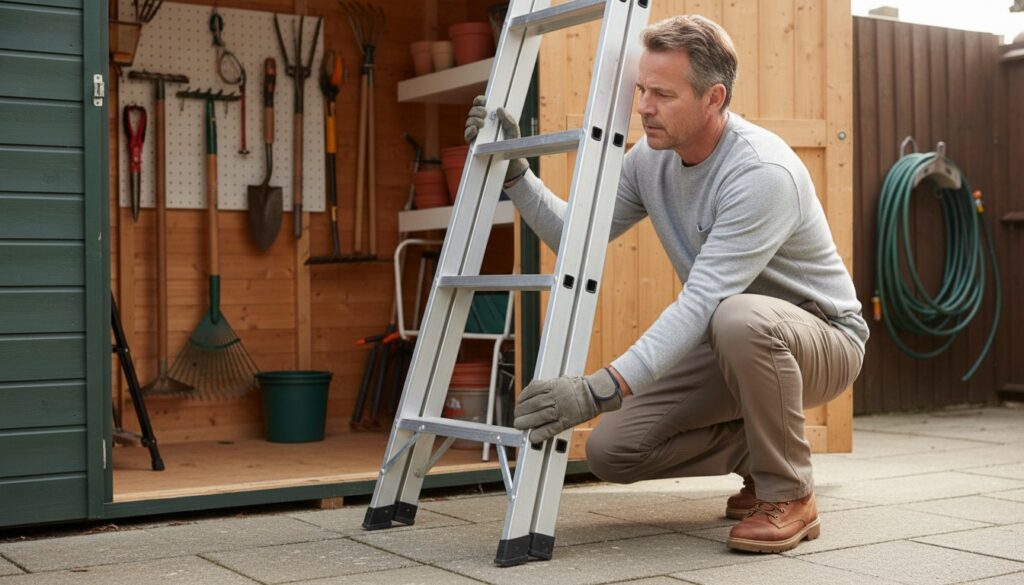
Most ladder accidents boil down to three avoidable mistakes: the wrong ladder, bad setup, and reaching too far. Pick a ladder that actually reaches the job so you’re not standing on the top two rungs. Inspect rails and rungs for cracks or bends. Set it at a 4:1 angle one foot out at the base for every four feet of ladder height and, when possible, have someone hold the base or act as a spotter. Keep at least ten feet of clearance from overhead power lines. That hum you sometimes hear? Respect it.
If you’re planning roof repairs, removing large dead limbs, or working near power lines, call a pro. Those are the moments when experience and the right gear make the difference between a Thursday with a bandage and a real emergency.
Watch the weather and ground conditions
Early spring loves surprises: warm afternoons followed by freezing nights, or a sudden storm that leaves the yard slick with muck. Check the forecast 24–48 hours before you start and keep an eye on conditions while you work. If high winds or freezing rain are in the forecast, postpone ladder or tree work and tie down loose items.
Dress in layers easy to peel off when the sun comes out and don’t ignore hydration or sun protection, even on cool days. Know the signs: shivering and confusion for hypothermia; heavy sweating, weakness, and dizziness for heat exhaustion. Watch your heart rate, take regular breaks, and be ready to stop if the ground feels unstable underfoot. Mud hides holes and slopes; one misplaced step, and you’ll remember it.
Pests, chemicals, children, pets, and home security
Clearing brush and leaves disturbs prime hiding spots for ticks, wasps, snakes, and rodents. When you’re raking through leaf litter, wear long sleeves and pants, use EPA‑registered repellents as directed, and check yourself, the kids, and the dog for ticks when you come inside. If you uncover rodent nests or droppings, wear gloves and follow CDC guidance for cleanup to avoid exposure to pathogens. That musty, sharp smell from a pile of debris is often a red flag treat it carefully.
If you’re using herbicides or pesticides, read the label every time. Labels aren’t suggestions; they’re legal and safety instructions. Choose the least‑toxic option that will do the job and keep chemicals locked up and out of reach of children and pets. Put up temporary barriers to keep curious kids and dogs out of the work area, and secure tools, fuel cans, and expensive equipment when you take breaks visible gear is an invitation. Lock gates and put things out of sight to reduce theft risk.
You’ll get more done and stay safer if you plan, warm up, and pace yourself. Inspect tools, respect ladders, watch the weather, and protect your family and pets. And when the job gets high or hairy, call someone who does it for a living. Start the season carefully and you’ll spend more evenings on the porch and fewer in urgent care.