

Are space heaters safe to use around kids, pets and household clutter?
Yes when you follow a few simple rules. Keep a 3-foot clearance around the heater, plug it directly into a wall outlet, use working carbon monoxide and smoke alarms, and never leave units unattended. Treat a portable heater with respect and it’s a low-risk way to warm a room.
Introduction
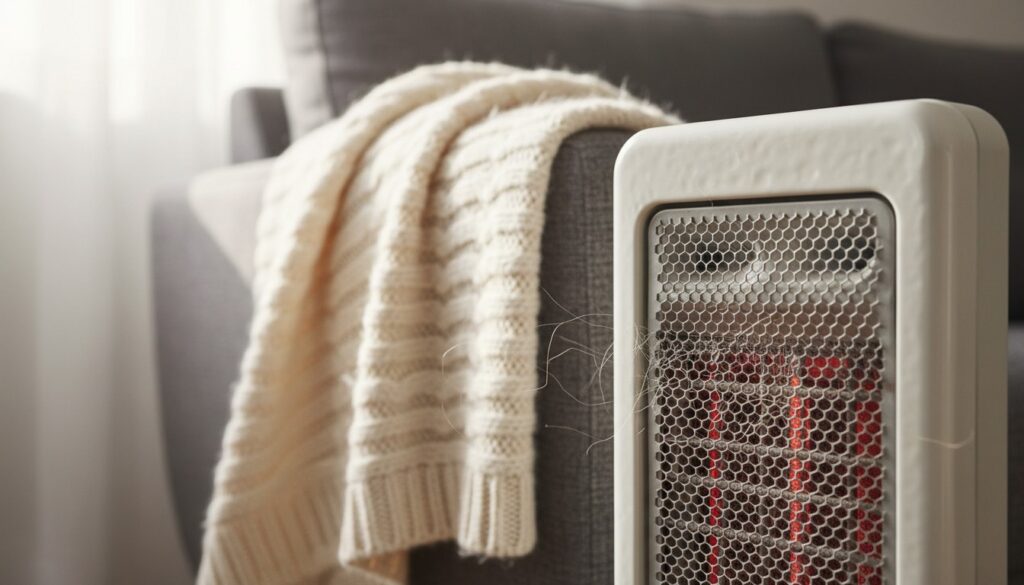
You drag a compact heater into the living room, throw a blanket over the arm of the couch and settle in with a book. The room fills with that immediate, indulgent warmth. But there’s a little nagging voice: is that heater safe around the toys on the floor, the cat that likes to nap on the rug, the pile of laundry you keep meaning to fold?
Space heaters feel harmless until they don’t. They’re a handy winter fix, and they’re also linked to a surprisingly large share of home heating fires and injuries. The good news: most of these incidents follow predictable patterns. Heat plus fabric, overloaded outlets, and units left running unattended are common threads. Once you recognize those patterns you can stop most problems before they start.
Read on for clear rules on placement (the familiar 3-foot clearance), electrical dos and don’ts, the carbon monoxide risks from fuel-burning heaters, what to look for when you buy, simple seasonal maintenance, and the emergency steps that protect your family and home. You’ll come away with practical habits that make heater use a routine safe and comfortable.
Why space heaters cause so many household fires the facts and the patterns
On a raw January morning that little ceramic heater at your feet isn’t harmless. The National Fire Protection Association reports that portable and fixed space heaters account for roughly 40 percent of home heating fires, and incidents spike in the coldest months think holidays and storm weekends, when comfort and clutter both increase.
Most fires aren’t mysterious malfunctions. They come from ordinary behaviors that let heat and combustibles meet. Electric heaters concentrate a lot of heat in a small area. When that heat touches curtains, upholstered furniture, paper or a stray blanket, materials can smolder and ignite before you even smell smoke. Unattended operation and poor placement are the two biggest culprits. Electrical misuse sharing an outlet or using the wrong extension cord is a close second.
Picture a common scene: a 1,500-watt heater tucked behind the couch to warm the back of the room; a curtain brushes the grille and smolders. Or a blackout nudges you to run multiple heaters from one outlet and the wiring overheats. A 1,500-watt unit draws about 12.5 amps on a 120-volt circuit a useful detail when you’re thinking about circuit capacity and what else is plugged in. Spot those recurring causes and you’ll know exactly where to apply the simple fixes.
Safe placement and the “3-foot” rule where not to put a heater in your home
You’ve probably heard the 3-foot rule. It’s not a suggestion. Keep combustible materials curtains, furniture, paper, blankets, clothing at least 3 feet (36 inches) away from every side of the heater. That buffer prevents a stray gust, a curious hand, or a migrating blanket from meeting a hot surface.
Placement matters for stability, too. Set portable electric heaters on a flat, hard, nonflammable surface. Avoid soft surfaces like thick carpets or plush rugs that can trap heat and hide embers. Don’t perch a heater on an uneven table or a narrow shelf where a child or pet can knock it off. Many modern units have tip-over switches and overheat protection useful backups, but not substitutes for good placement and common sense.
Be honest about the shortcuts you take: drying socks on a folding rack in front of a ceramic heater, or sliding a heater behind furniture to hide it. Those little hacks erase the safety margin the 3-foot rule gives you. Check the product label and any UL or ETL markings for model-specific clearance guidance so the heater’s design fits the space. With clearance handled, the next priority is electrical safety because even a well-placed heater can create trouble if you ignore how it draws power.
Cords, outlets, circuits, and how to avoid overloads
A portable electric heater asks a wall circuit for steady high power. A 1,500-watt heater pulls roughly 12.5 amps at 120 volts, which uses most of a standard 15-amp circuit. Avoid plugging a heater into the same circuit as other high-draw appliances hair dryers, microwaves, window air conditioners because sharing puts you close to the breaker limit and raises the chance wiring will overheat before the breaker trips.
Plug heaters directly into a wall outlet. Don’t use extension cords, power strips, or surge protectors for continuous high-current devices; they’re not designed for it and can heat up, melt insulation or ignite. Never run a heater cord under a rug or across a doorway where it will be pinched or hidden. Frayed cords are a common and avoidable ignition source. Inspect plugs and cables before each winter; if you see fraying, exposed wires, a hot plug, or scorch marks, retire the unit or have it repaired professionally.
Older homes need extra attention. Many still run on 15-amp circuits that reach capacity with a heater in use. If your breaker trips repeatedly, treat that as a warning, not an inconvenience. Repeatedly resetting a tripped breaker and relying on makeshift wiring is a fast track to trouble. Manufacturers and safety testers recommend a dedicated outlet; during long outages, FEMA and local utilities advise using generator-compatible, professionally installed solutions rather than improvising with multiple portable heaters.
Fuel-burning heaters and carbon monoxide
When electricity is out, fuel-burning heaters kerosene, propane, vented or unvented gas units can look attractive. They do the job, but they change the risk picture. Combustion produces carbon monoxide (CO), nitrogen oxides and other pollutants. Vented heaters send exhaust outside; unvented units release combustion gases directly into the room, and CO can build up quietly and dangerously.
You need a working CO alarm on every floor and near sleeping areas. The CDC and FEMA emphasize that functioning CO alarms save lives. Modern devices are battery-powered or hardwired with battery backup pick what works for your house and test them regularly. Remember: CO is odorless and colorless; an alarm is the only reliable early warning.
Never use outdoor-only appliances camp stoves, garage heaters indoors, even in a pinch. Refuel portable units outdoors, with the appliance turned off and cool. Spills and fumes can ignite or produce dangerous CO levels. Imagine a blackout night when someone drags a garage propane heater into the basement to keep pipes from freezing: it warms the space, yes, but it can also let CO accumulate and put sleeping family members at risk. If you must use fuel-burning heat, pair it with strict ventilation, CO alarms, and disciplined refueling practices. For details on indoor-air impacts and approved indoor fuel-heating options, check EPA materials and local building codes.
Buying, maintaining and living with a safer space heater
Buy for safety as much as comfort. Choose a unit sized for the room manufacturers usually list square-foot coverage and look for tip-over protection, overheat shutoffs, a thermostat and an automatic timer. A recognized safety listing such as UL or ETL shows the unit has passed standard tests. Heaters with lower surface temperatures, like oil-filled radiators, reduce ignition risk and are a good option for steady, long-term heat.
Make maintenance a seasonal ritual. Inspect cords and plugs before each heating season. Vacuum dust from intake grills and fans. Follow the manufacturer’s cleaning and storage instructions. Lint and pet hair collect quickly and can block airways, causing overheating; homes with shedding pets should check grilles more often. In StaySafe.org’s seasonal safety survey, homeowners reported dust buildup and forgotten storage as the leading oversights fixing those two habits prevents a lot of problems.
Set simple household rules: don’t sleep with a portable heater in the bedroom, keep a child- and pet-free zone around the unit, and have a clear landing spot for shoes and laundry so piles don’t migrate toward a heater. If you want quieter, steadier heat for an office or small bedroom, an oil-filled radiator or convection model often serves better than a fan-forced unit fewer exposed elements and lower surface temperatures. Little routines monthly cord checks, seasonal deep-cleaning, sticking to that 3-foot rule add up to big risk reduction.
Preparing for emergencies and what to do if a heater starts a fire
Plan now for the day something goes wrong. Make sure smoke alarms work on every level and CO alarms are installed near sleeping areas; test alarms monthly and replace them per the manufacturer’s guidance. Keep a multipurpose Class ABC fire extinguisher within reach of living areas. Rehearse an escape plan with your family: two ways out of every sleeping room and a clear meeting spot outside. Those basics are often the difference between a close call and a tragedy.
If a heater sparks or a small fabric item ignites, act fast but safely: unplug the heater if you can do so without putting yourself at risk, and smother small flames with a heavy blanket. Don’t use water on electrical fires. If you’re trained and the fire is small, use your extinguisher; if flames spread, smoke builds or you feel unsure, get everyone out immediately and call 911. After any fire even one you put out ask the fire department to inspect for hidden hot spots or smoldering materials before re-entering. Embers can hide and reignite inside walls or under flooring.
Emergencies often happen when people are tired or distracted. Make a habit of targeted heating: warm a single occupied space rather than the whole house, turn heaters off before bed, and monitor CO and smoke alarms during outages. FEMA and local fire departments recommend professional solutions generators or propane systems installed by licensed technicians over improvisation. Combine sensible placement, electrical caution and preparedness and you’ll eliminate the most common paths to heater-related fires. Your home stays warm, and you sleep easier.
Related homeowner questions include alarm battery life and testing frequency, and whether a whole-house heating upgrade is a safer long-term investment.