

How should homeowners adapt safety routines when late winter shifts to spring?
Start with a brisk room-by-room check. Update alarms and emergency kits, clear gutters, and tackle outdoor maintenance. Small fixes sealing gaps, improving lighting, swapping slick rug pads cut risks from falls, storms, pests, and fire hazards.
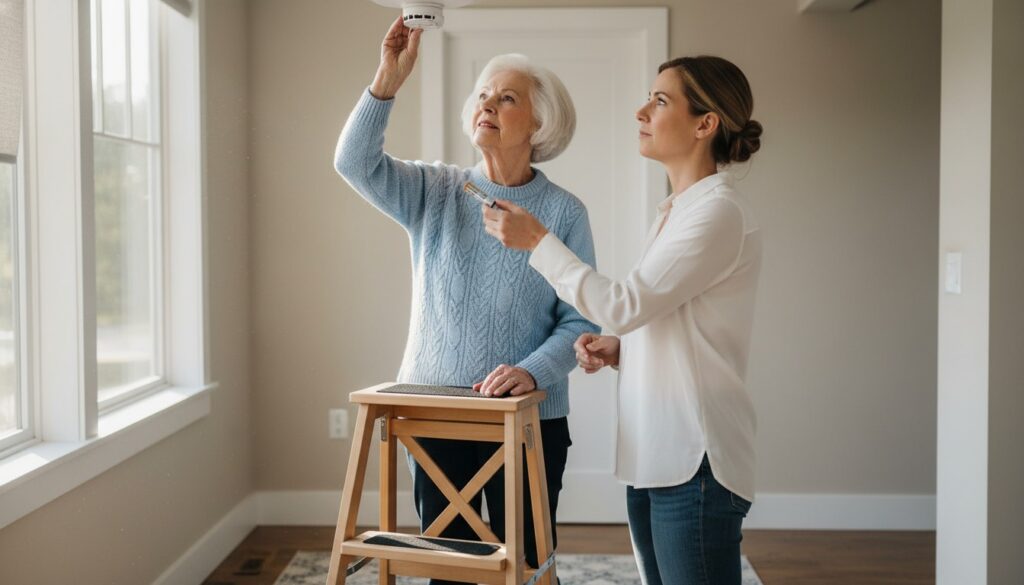
Table of Contents
Introduction
The last thaw pulls the winter salt off the stoop, crocuses poke up through soggy soil, and evenings start to stretch. You find yourself outside more, hauling tubs you haven’t touched since November, and the house suddenly smells faintly of damp basements and spring air. That same breeze that smells like cut grass brings pollen, muddy footprints, and a short list of chores that didn’t exist a month ago.
This is a season of transition: activity levels rise, hazards change, and visitors come back. A quick, focused room-by-room check makes sense. Below you’ll find practical checks and routines that reduce fall risk, sharpen fire and storm preparedness, keep pests at bay, shore up security, and support mood and mobility. When useful, the advice lines up with FEMA, the CDC, the NFPA, the NPMA, the EPA and extension programs so you can act with confidence and a clear checklist in hand.
How the late-winter-to-spring shift changes risks for seniors
When the thaw starts, the neighborhood changes in ways that matter for safety. Wet leaves and thawed patches of sidewalk turn familiar routes into slippery surprises. After a quieter winter, a sudden burst of yard work or decluttering raises the chance of a misstep. The CDC reports about one in four adults 65+ falls each year many during everyday chores like walking, cleaning, or reaching for things.
Longer daylight often lifts spirits, but it also shifts sleep and alertness for some people. Spring allergies dull concentration and balance. A daylight-saving change or an adjusted medication schedule can make someone feel off-kilter. If you notice persistent dizziness, daytime sleepiness, or confusion, talk with your clinician or pharmacist. Local university extension and geriatric clinics are great resources for sorting normal seasonal wobble from a medical red flag.
You’ll also spot urgent-looking projects as soon as it warms up gutters to unclog, branches to trim, piles of winter debris to haul. Break risky chores into safer steps. Use long-handled tools, avoid standing on unsteady ladders, and ask for help when a job looks bigger than a single person. A bit of planning keeps a simple spring weekend from turning into a trip to the emergency room.
Fall prevention for changing seasons: indoors and out
Inside, winter clutter is often the culprit. Muddy shoes and tracked-in grit make rugs suddenly treacherous. Replace worn non-slip rug pads and secure loose throw rugs. Move frequently used items to reachable heights so you don’t overreach, and keep main pathways roughly 36 inches wide where possible it’s easier to walk with a steady stride when you don’t have to weave.
Check stair lighting and keep landings clear. Not sure about the right height for grab bars or handrails? An occupational therapist or ADA guidance will give you a comfortable fit. Small changes a night-light on the stair landing, a new handrail where none existed make a big difference.
Outside, the ground can go from frozen to spongy overnight. Mark and repair uneven pavement before someone hurries across it. Clear icy spots with sand or an appropriate ice-melt product, and keep an absorbent mat at the entry to trap moisture and grit. A boot scraper by the door helps, too.
For tasks like pruning or gutter cleaning, choose long-handled tools or hire a pro. Don’t treat a shaky ladder as an acceptable shortcut. And remember: routine exercise helps as much as physical fixes. Balance-strength programs tai chi, targeted exercises, or a twice-weekly balance routine lower fall risk. Start walks slowly, build up duration, and make a short list of chores you’ll outsource. Pair practical home improvements with gradual activity and you’ll see the best results.
Updating fire safety and seasonal maintenance
Spring cleaning stirs up hazards. Empty dryer lint traps every load and vacuum around the vent area; lint buildup is a frequent cause of dryer fires. The NFPA recommends cleaning dryer vents annually or more often if you use the dryer heavily. Store flammable supplies spare paint, solvents away from heat and direct sunlight, and follow EPA and local solid-waste rules for disposal.
Smoke and carbon monoxide alarms are your frontline safety gear. Test alarms monthly and replace batteries at least once a year unless your unit has sealed 10-year batteries. Swap out old alarm units every 10 years or follow the manufacturer’s date. The NFPA and FEMA advise smoke alarms on every level, outside sleeping areas, and inside each bedroom. Check CO alarms after switching heating sources or using a generator, and schedule a chimney inspection and sweep before you light the first fire of the season.
Grilling needs rules: keep grills and propane tanks at least 10 feet from the house, never grill in an enclosed porch, and inspect hoses and connections before you fire up. Replace that dead smoke-alarm battery now; a little attention today prevents a missed alert when spring dust blows into the ducts.
Storm preparedness and home maintenance for spring weather
Spring can be gentle and suddenly severe. Include storm prep in your seasonal sweep. FEMA recommends an emergency kit with at least three days’ supplies: one gallon of water per person per day, nonperishable food, a flashlight with fresh batteries, and a printed list of important contacts. For seniors, keep a week’s supply of critical prescriptions and backup copies of medical information in a cool, dry place.
Clean gutters to reduce early-spring flood and ice-dam risk. Inspect roof shingles and flashing for loose spots, and secure or store lightweight outdoor furniture so gusts don’t turn it into a projectile. Keep phones charged and have a portable charger handy. Sign up for local emergency alerts and set a neighbor-and-family check-in plan so someone knows if you haven’t moved by a set time.
If mobility or medical needs complicate evacuation, pre-register with local emergency management so responders can plan for power or device needs. A quick roof check and trimming dead branches before storm season often prevents small damage from becoming a major repair. Pair a refreshed emergency kit with routine jobs gutter cleaning, sump pump checks and you’ll lower the chance a minor spring storm becomes a long recovery.
Pest control, chemical safety, and seasonal infestations
As it warms, insects and rodents leave winter hiding places and begin looking for food and shelter. Exclusion and sanitation are your best first moves. Walk the foundation and seal gaps larger than 1/4 inch around windows, doors, and where pipes enter. Caulk and weatherstripping are cheap, effective fixes recommended by the NPMA and extension services. Store food in airtight containers, move bird feeders away from the house if mice become an issue, trim vegetation so it doesn’t touch siding, and eliminate standing water that attracts mosquitoes.
When treatment is necessary, use integrated pest management the EPA and extension offices recommend. Use tamper-resistant bait stations and traps in out-of-the-way places, ventilate after sprays, and follow label wait times. Older adults can be more vulnerable to chemical exposures, so hiring a licensed pest pro who offers low-toxicity, targeted treatments is often the best choice for moderate or severe infestations. Check product labels and use tamper-resistant options if you have pets.
Found mouse droppings in the pantry? Place tamper-resistant traps, seal entry gaps, and call a pro to inspect wall voids. Extension publications and the NPMA emphasize that exclusion, sanitation, and monitoring reduce long-term pest pressure more than repeated broadcast spraying. Seal, clean, monitor, and selectively treat a methodical approach keeps your home healthier as the weather warms.
Supporting mood, mobility, and family safety during routine changes
Spring pulls you back into the world. Rebuilding routines and social connections helps both mood and mobility after a long winter. Schedule regular walks that start at an easy pace and lengthen gradually so balance and endurance recover safely. Join a community-center class or walking group supervised exercise plus a friendly face does wonders.
Keep meal and medication routines predictable, and use morning light or a light-therapy lamp for people sensitive to seasonal shifts. If mood or memory changes persist, see your primary care provider seasonal patterns and medication timing sometimes interact.
Technology and family coordination can support independence without shrinking your safety net. Create a medication list and health info sheet for caregivers, test fall-detection or medical-alert devices monthly, and check that smart-home lights, motion sensors, and door cameras work reliably and have fresh batteries. Test Wi‑Fi range and keep a battery backup for key equipment; many extension offices publish simple home-technology checklists for older adults that are easy to adapt.
Small, practical changes make daily life feel safer and more social. A Tuesday yoga class for older adults improves balance and energy and builds a network of people who check in. A motion-activated porch light and a basic doorbell camera improve night visibility and peace of mind. Arrange a standing check-in with a neighbor or family member, and keep a simple printed plan that says who to call for what. When routine, sensible tech and community ties come together, your home becomes a friendlier stage for spring life instead of a place where seasonal transitions create surprises.
For related resources, see our guides on fall prevention and home exercise programs, safe grilling and outdoor fuel storage, and community-safety and smart-home setup.