

What’s the fastest way to lower your risk of a holiday fire?
Keep candles clear of anything that can burn, water your Christmas tree daily, and stay close to the stove while cooking. These three habits prevent most holiday fire emergencies before they start.
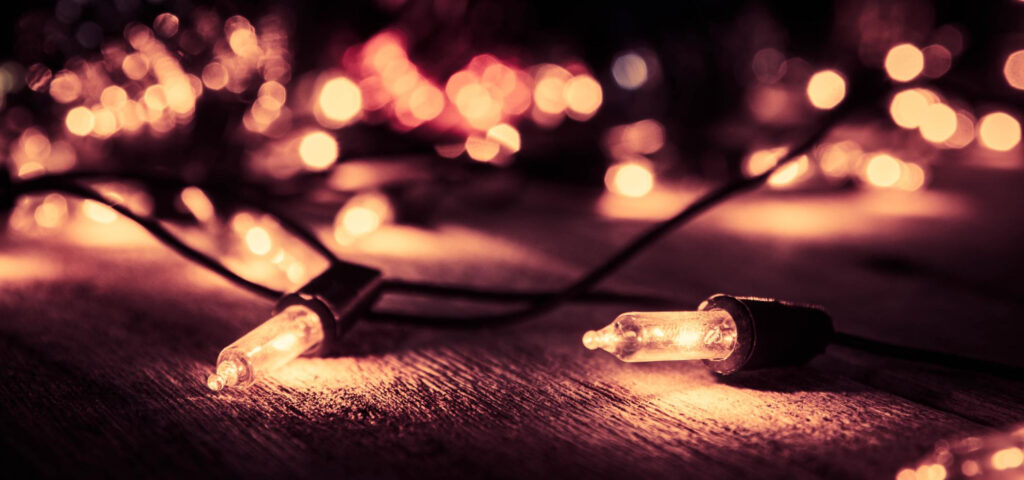
On a cold December night, it’s easy to slip into the glow of the season candles dancing on the mantle, the tree lit up in the corner, a pot of something rich and comforting on the stove. It’s the kind of scene we wait for all year. But tucked into that cozy picture are a few hazards that tend to catch homeowners off guard. Fire officials see it every winter: candle flames too close to decorations, dry trees that go up in seconds, or a stovetop left unattended in the middle of holiday commotion.
None of these risks mean you need to dim the magic. A little awareness just keeps everything running smoothly.
Why Holiday Fire Risks Increase in Winter
Winter changes the whole rhythm of a house. Heaters run long after you’ve gone to bed, drying the air and everything in it. Decorations spread into spaces that are usually kept clear. Outlets work overtime with lights, chargers, and that one extension cord you swear you’ll replace next year. And then there’s the kitchen the busiest room of the season.
These pieces stack together, not in a dramatic way, but in the small everyday moments when distractions creep in. That’s usually when trouble starts.
Candle Safety During the Holidays
How Candle Fires Start
Candles feel gentle and familiar, but they’re still open flames. A pine garland that looked lush on day one dries out faster than most people realize. Greeting cards tucked behind a centerpiece shift just enough to catch a wick. A cat jumps, a kid leans in too close, and suddenly a small flame has someplace to go.
According to the National Fire Protection Association, December sees more candle fires than any other month. It’s rarely something dramatic it’s usually something accidental.
Safer Ways to Use Candles Indoors
A few habits make real candles far safer to enjoy:
1. Keep them on steady, flat surfaces clear of anything that hangs or drapes.
2. Give the flame at least a foot of breathing room from anything that could burn, a reminder also emphasized in StaySafe’s guide on fire safety tips for preventing and responding to fires at home.
3. Trim wicks before lighting so the flame stays calm.
4. Blow them out whenever you leave the room, even for a minute.
Flameless LED versions are a quiet upgrade for busy gatherings all the glow, none of the worry. And when storms knock out power, reach for flashlights instead of candles.
Holiday-Specific Candle Hazards
Centerpieces look charming on the table, but once the greenery dries, they’re tinder. Ribbons, pinecones, cinnamon sticks they all ignite quickly. Window candles create their own problems when curtains sway with warm air from the vent.
If you use a menorah or kinara, set it on a solid, heat-safe surface and clear a generous space around it. Those flames run hotter and longer than a typical taper.
Christmas Tree Fire Prevention
Why Trees Become a Fire Hazard
A tree starts losing moisture the moment it comes indoors. Heated air pulls water from the needles, and a dry tree catches fire much faster than most people imagine. Even artificial trees have their limits if they’re placed too close to radiators or decorated with older, warm-running lights.
Choosing and Positioning Your Tree Safely
Fresh needles that bend instead of snapping are a good sign. So is a strong evergreen scent. Once you bring the tree home, give it room a few feet from fireplaces, heaters, and vents. Artificial trees labeled flame resistant are the safest choice, but they still need the same breathing space.
Keeping Your Tree Hydrated and Safe All Season
Cutting an inch off the trunk helps water move through the tree more easily. After that, daily watering keeps it supple. On the first day, a tree can drain most of a stand before you realize it. If the branches start feeling brittle or the needles fall off at a touch, it’s time to take it down, even if the month isn’t over.
Electrical Safety Around Trees
Holiday lights quietly shoulder a lot of responsibility. Inspect each strand for worn wires or loose bulbs. LEDs stay cooler and are far more efficient, which makes them safer for longer displays. Spread lights across different outlets rather than chaining cords together. And before bed, turn everything off that small step gives you peace of mind all night.
Cooking Distractions: The Number One Cause of Holiday Fires
Why Holiday Kitchens Are High-Risk
If any room feels stretched thin during the holidays, it’s the kitchen. You’re juggling timers, chopping vegetables, keeping an eye on the kids, and answering the door all at once. The U.S. Fire Administration notes that cooking remains the leading cause of home fires, and holiday gatherings tend to amplify every distraction.
It’s rarely a complicated mistake it’s the pan left on the burner when you ran to grab something in the other room.
Staying Focused While Cooking
Try these habits to keep holiday meals safe:
1. Stay near the stove when frying, boiling, or sautéing.
2. Use more than one timer if you’re multitasking.
3. Cook on back burners when kids or guests are nearby.
4. Keep a few feet of open space around the stove so traffic doesn’t get in the way.
These tiny choices create room to breathe, even when the house is buzzing.
Deep Fryers, Roasting, and Common Holiday Mistakes
Turkey fryers have a reputation for a reason. Hot oil expands quickly, and even a little moisture on a turkey sends it boiling over. Fire officials recommend using fryers outdoors, well away from walls, porches, or garages.
Inside, oven flare-ups happen more than people admit. If flames appear, turn the oven off and keep the door shut. Opening it invites oxygen exactly what a fire wants.
Whole-Home Fire Prevention Steps for the Season
Smoke Alarms, Fire Extinguishers, and Escape Plans
Before the calendar fills up, tap each smoke alarm and make sure it chirps. Old batteries are easy to replace; alarms older than ten years are worth swapping out entirely. A fire extinguisher belongs in the kitchen, but keeping another near the living room or tree isn’t a bad idea.
When guests stay over, show them your home’s exits. It takes thirty seconds and saves them from guessing in an emergency.
Safer Use of Holiday Lights and Decorations
Extension cords get pushed harder this time of year. Spread displays across a few outlets instead of relying on one. Use indoor-rated cords inside, outdoor-rated cords outside, and keep flammable décor away from heat sources. Garlands look lovely over a mantle until the first strong blast of warm air dries them out.
Heating Equipment and Fireplace Safety
Fireplaces add instant comfort, but they need upkeep to stay safe. A yearly chimney cleaning keeps buildup in check and reduces the chance of sparks escaping. Space heaters deserve careful placement too. Put them on steady surfaces, give them a three-foot buffer, and turn them off when you leave the room. That one habit prevents more accidents than people realize.