

Q: What should you do first in a summer blackout?
A: Protect people and temperature sensitive medications right away, keep refrigerators and freezers closed, and find a cooling refuge if indoor temperatures start to climb toward dangerous levels.
You open the fridge, pull back the lightless door, and the kitchen feels like an oven. The house holds the day’s heat, the power light is off, and that friendly hum from the fridge is gone. In the middle of a heat wave a blackout can go from nuisance to real danger in a few hours.
Summer outages have different priorities than winter ones: food and refrigerated medicines spoil faster, indoor temperatures rise quickly, and improvised fixes, like running a generator in a garage, can fill the house with carbon monoxide. This story walks you through what to watch for in the first hours and the first day, how to protect food and meds, how to use a generator safely, and how to keep people and pets cool without taking risks. The advice below reflects guidance from FEMA, the American Red Cross, the CDC, the FDA, and university extension services. First things first, protect people.
Why a Summer Power Outage Escalates Faster Than You Think
Lose power at 2 p.m. on a July afternoon and the sun does most of the work for you. Solar gain through windows, heat trapped in the attic, and warm west-facing rooms push interior temperatures up fast. A home can rise 10 to 20 degrees in a few hours, so a neighborhood high of 100 degrees can easily translate into 90s inside by evening.
Heat kills quietly. Older adults, infants, people with chronic conditions, and pets have trouble regulating body temperature. Heat exhaustion looks like heavy sweating, weakness, nausea, or fainting. Heat stroke is a medical emergency, with hot, dry skin, confusion, or loss of consciousness, and needs immediate care.
Because bodies come first, act for people before property. Pull shades on sun-facing windows, move vulnerable family members to the coolest room on the lowest floor, and start hydrating. Food and appliances matter, but not more than your household’s health.
Keep Food and Meds Safe
Treat the refrigerator and freezer as closed systems until you know their internal temperatures. A refrigerator will usually keep food safe for about four hours if you don’t open it. A full freezer can hold safe temperatures for about 48 hours, a half-full freezer about 24 hours. Remember the FDA rule of thumb: perishable food held above 40 degrees Fahrenheit for more than two hours is generally unsafe.
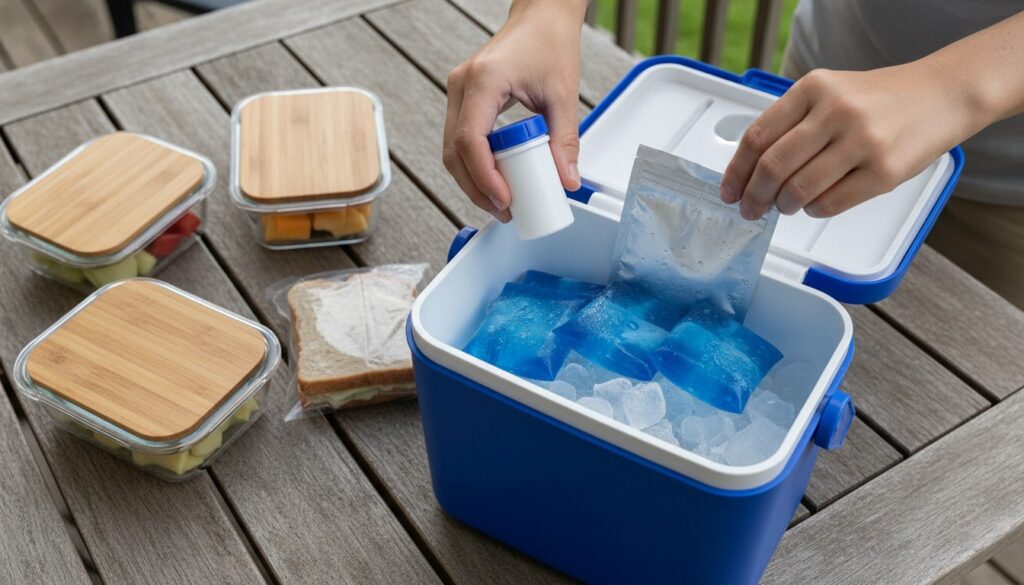
Medications often need special handling. Many biologics and some insulins should be kept roughly between 36 and 46 degrees Fahrenheit, but manufacturers vary. If power goes out, move essential meds into an insulated cooler with frozen gel packs right away, and keep a written list of medications and pharmacy phone numbers in your emergency kit. Call your pharmacist for product-specific guidance, and plan a trip to a pharmacy or cooling center if you depend on drugs that can’t sit at room temperature.
Practical first-day steps work: close the fridge and freezer, put an appliance thermometer where you can read it, move high-value items like baby formula and specialty meds into a cooler, and note when foods hit 40 degrees. When in doubt, throw it out. Bacterial growth speeds up in warm conditions, and foodborne illness hits the very young, the old, and people with weakened immune systems hardest.
Stay Cool Without Power
When the AC dies, cool people, not rooms. Local evaporative cooling and shade will keep bodies safer than trying to cool an entire house. Close blinds and curtains on sun-facing windows. Create cross-ventilation when outside air is cooler than inside, and use evening and night breezes to flush trapped attic heat.
Small things help a lot: damp towels on pulse points, spray bottles for misting, cool showers, and moving a sleeping child or elderly person to the lowest shaded room. Fans increase evaporation and feel good, but they are not a cure when outdoor temperatures run above about 95 degrees. In those conditions, heading to an air-conditioned place is safer than relying on fans alone.
Watch for warning signs. Heavy sweating, weakness, fainting, or vomiting suggest heat exhaustion. Treat with hydration and cool compresses, and get medical help if symptoms worsen. Hot, dry skin with confusion or loss of consciousness is heat stroke, a medical emergency. Keep a small cooling kit handy: battery-powered fans, cooling towels, spray bottles, and extra water. Know where a nearby cooling center, community center, or pet-friendly refuge is before the heat becomes dangerous.
Generator Use: How to Power Up Without Poisoning or Burning Your Home Down
A portable generator can keep a refrigerator running or power a medical device, but it brings carbon monoxide and electrical risks. Always place generators outdoors, at least 20 feet from doors, windows, and vents, so exhaust cannot drift back into living spaces. Never run a generator in a garage or carport, even with the door open.
Install battery-backed carbon monoxide detectors on every floor and outside sleeping areas before peak season. For electrical safety, do not backfeed power into your home by plugging a generator into a dryer or a wall outlet. A transfer switch installed by a qualified electrician prevents power from feeding the grid and protects utility workers and your equipment.
Know your generator’s wattage limits and prioritize loads: a refrigerator, a medical device, and one cooling appliance are common priorities. Store fuel in approved containers in a cool, ventilated location and refuel only after the unit is shut down and cooled. Read the manual, use outdoor-rated heavy-duty extension cords, and test your carbon monoxide alarms regularly. If anyone feels dizzy, nauseous, or unusually sleepy while a generator is running nearby, move to fresh air immediately and seek medical help if symptoms persist.
Prevent Fires, Pests, and Security Gaps
Lighting and cooking choices shape how calm the evening stays. Candles are a frequent cause of house fires when left unattended or placed too close to curtains. Use battery-powered LED lanterns and headlamps instead. If you must cook, use an outdoor grill on a flat, noncombustible surface and keep it away from doors, windows, and vents.
Warm, damp conditions and spoiled food attract pests, from flies to rodents and mold. Seal and dispose of spoiled food quickly, keep trash in sealed containers, and clean spills promptly. If you spot early mold growth, dry the area and follow extension service guidance for safe cleanup, because mold grows fast in humid post-outage conditions and can affect air quality.
Security systems and garage door openers often have limited battery backup, typically 24 to 48 hours. Know your alarm system’s specs, have physical keys accessible, and make an offline entry plan for caregivers or family who might need access. Keep some exterior lighting on timers or use battery-powered motion lights. Those small steps reduce distraction so you can concentrate on keeping people safe.
Your Summer Outage Plan and Emergency Kit Checklist
Think in three time windows: the first 0 to 4 hours, the 4 to 24 hour window, and the days that follow. In the first four hours focus on people, medicines, and cooling. Move vulnerable folks to the coolest room, transfer refrigerated meds into a cooler with frozen packs, and keep the refrigerator closed while you check thermometer readings.
Between 4 and 24 hours decide whether to stay or relocate. Monitor local news and the Red Cross or FEMA Ready app for cooling center openings, and contact your utility and medical provider if you depend on powered medical devices. Assemble a summer-specific kit so decisions are automatic under stress. At a minimum have:
– At least one gallon of water per person per day for three days
– A soft cooler dedicated to medications and frozen gel packs
– Battery-powered fans and a hand crank radio
– Appliance thermometers for fridge and freezer
– Battery-backed CO and smoke detectors
– Printed emergency contacts, including your pharmacy and doctor
Make logistics simple. Create a power-priority list for your electrician. Pre-identify a cooling refuge, whether a neighbor, community center, or nearby hotel. Program emergency contacts into every family member’s phone. Test CO and smoke detectors monthly and keep spare batteries on hand. Practice your plan once or twice a season so everyone knows where to go and what to grab.
With a clear plan and a packed kit, you’ll move fast if the neighborhood loses power during a heat wave, and avoid the common, dangerous missteps that turn a blackout into a crisis.