

How can I prevent slips and falls around my home this winter?
Start with the first 10 to 15 feet around your door: the right boots, timely shoveling and anti-icing, staged entry mats, and a clear storm plan. Small habits and a few targeted upgrades cut most winter fall risk.
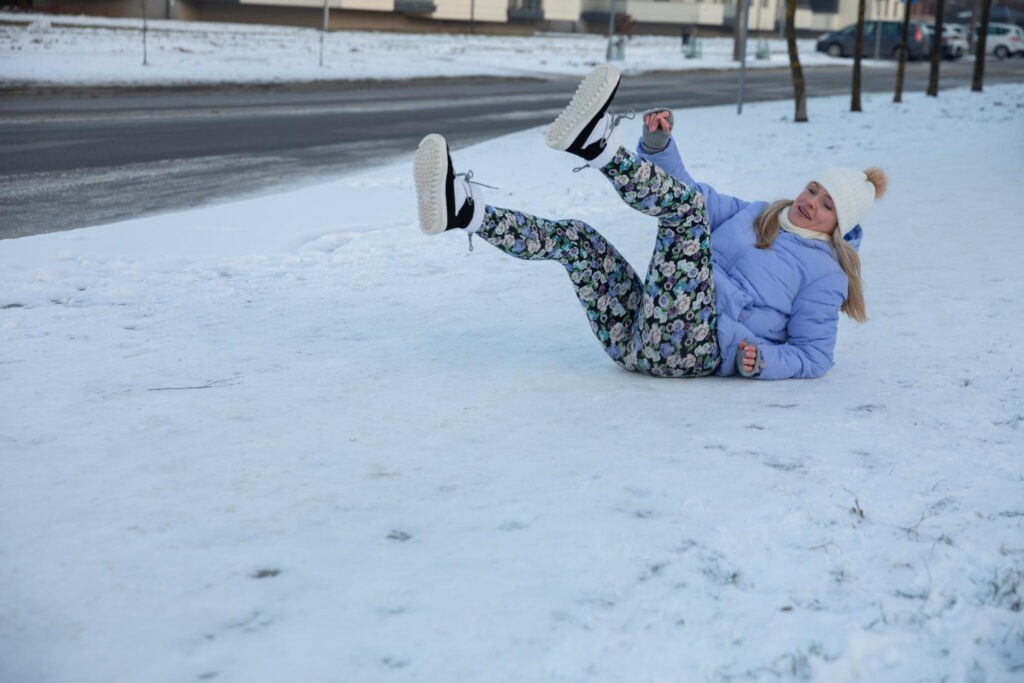
Table of Contents
- The science of ice, black ice, and hidden hazards
- Personal habits that cut your slip risk
- Shoveling, deicing, lighting, and small upgrades that matter
- Entry mats, drying zones, rugs, pets, and indoor slip control
- Planning, neighbor-help networks, professional services, and safe snow removal
- If someone slips or falls
Picture this: your arms are full of grocery bags, the porch looks cleared, and the toe of your boot meets an invisible sheet of glass. That’s black ice saying hello. Winter turns ordinary comings and goings into a kind of careful choreography one wrong step and you’re looking at broken bones and an ER visit instead of a stain that will wash out.
Most winter falls happen within a few feet of the door on stoops, the first stretch of driveway, the landing under the mailbox. That’s where people rush with packages, hustle kids out the door, or fumble for keys while thinking about dinner. Shaded microclimates keep surfaces wet and ready to refreeze, and a warm afternoon followed by a sharp overnight freeze is the recipe for an invisible glaze. The CDC reports emergency visits for fall injuries climb in icy months, and our seasonal survey shows homeowners often overlook this immediate entry zone.
The science of ice, black ice, and hidden hazards
Ice isn’t just frozen water; it’s the timing and thinness that make it treacherous. Black ice forms when a thin melt film refreezes and bonds to concrete or asphalt, so pavement can look merely wet until the low light finally catches the shine. Shaded spots under eaves, beside hedges, and on north-facing steps stay damp and refreeze sooner than sunlit driveways you’ll see a sheen by bedtime after a noon thaw.
The deicer you choose matters. Sodium chloride, plain rock salt, works reliably down to roughly 15°F; below that it loses muscle and behaves like gravel. Calcium chloride generates heat as it dissolves and remains effective into the deep freeze toward −20°F to −25°F but it’s tougher on concrete and plants. University extension services and FEMA recommend matching the product to the temperature and testing a small area first to limit runoff damage.
Packed snow is another trickster. Compressed flakes turn into dense, glazed ice that looks solid but gives no grip. That’s why shaded steps refreeze faster and stay slick longer than exposed surfaces. Watch the day’s high and low: a warm afternoon followed by a hard overnight freeze is where black-ice surprises live.
Personal habits that cut your slip risk
Your boots are your first line of defense. Choose shoes with deep, multi-directional tread and a soft rubber compound that stays flexible in cold weather the lugs bite into snow and the pliant rubber keeps contact with the surface. Keep heel height modest, around 1 to 1.5 inches, and leave dress shoes or smooth leather soles at home when ice is possible.
Traction aids are tools, not ornaments. Removable cleats or microspikes clip on for icy walks and perform well on packed snow. Metal-studded devices shine on glassy ice but can scar decks and some concrete, so take them off before coming indoors. Keep one hand free for a railing; that means rethinking overloaded grocery-carrying habits use a backpack, a wheeled cart, or ask for a hand when you’re juggling toddlers or heavy bags.
Small gait changes help a lot. Take slightly wider stances and shorter strides; think flat-footed, measured steps rather than long, hurried ones. If you’re stepping out for a quick errand, swap slippers for proper winter boots on the stoop so you don’t step out in socks. For most homeowners, seasonal use of microspikes outdoors is a practical win just remove them before you cross the threshold.
Shoveling, deicing, lighting, and small upgrades that matter
Shovel early and often so snow doesn’t pack down into hard ice. A light anti-icing treatment before or during the storm breaks the bond between ice and pavement and makes shoveling easier. Use sodium chloride above roughly 15°F and switch to calcium chloride for deeper freezes, following manufacturer instructions to protect nearby plants and concrete.
Small structural fixes pay big dividends where slips happen most. Install a sturdy handrail on even a short stair run. Add textured treads or non-slip adhesive strips to smooth steps. Aim lighting to illuminate each step roughly 300 to 500 lumens in stair and landing zones so texture and shine stand out at night. For narrow, shaded walkways that freeze every night, a shallow bed of coarse sand or a heated mat on the worst stretch reduces hazards without a major overhaul.
Landscaping matters too. Overhanging eaves or hedges that dump snow onto a path create microclimates that refreeze quickly. Trim overhangs and direct runoff away from high-traffic areas. If you’re budgeting for upgrades, prioritize handrails, better lighting, and surface texture in that first 10 to 15 feet from the door.
Entry mats, drying zones, rugs, pets, and indoor slip control
Your front door is where outside moisture and grit try to sneak in, so build a staged entry that traps the mess before it reaches hardwood or tile. Start with an outdoor boot tray to catch snow and slush, follow with a high-absorbency mat for boots and towels, then add a second mat inside to pick up what’s left. The double-mat routine cuts the chance that a wet runner becomes a sheet of indoor slip.
Keep towels or a small squeegee by the door for quick drying, and use non-slip rug pads under runners so they don’t bunch up. Swap shared shoe piles for quick-swap cubbies so people can change on the stoop. Pets complicate matters common salts irritate paws and tracked grit scratches floors so use pet-safe deicers along pet paths and wipe paws before they race to your warm lap.
Rotate and dry mats between storms to avoid mildew. A visible boot tray and a labeled basket for indoor slippers keeps the system tidy and practical on busy mornings.
Planning, neighbor-help networks, professional services, and safe snow removal
When a storm is on the way, the best moves happen before the first flake. Move vehicles to create clear access, set exterior lights on timers or motion sensors, lay a light anti-icing treatment if temperatures allow, and stage shovels, sand, and deicers where you can grab them without a wrestling match.
Talk with neighbors about who clears which walk. Checking on older neighbors is both compassionate and practical and FEMA stresses keeping routes accessible for emergency services, so it’s civic safety as much as neighborly good sense.
Know your limits. Heavy, icy snow is hard work and raises heart-attack risk; if you have heart disease or other risk factors, hire a pro. Local snow-removal companies, community volunteers, or neighborhood buy-in are lifesavers during ice storms. Keep a trusted contractor’s number on speed dial so you’re not improvising when the shovel feels like a barbell.
If you do shovel, pace yourself: short intervals, lift with your legs, use an ergonomic shovel. If you can’t clear everything, make a safe single path from driveway to door and prioritize sidewalks for mail and first responders. A pre-storm checklist and a neighborhood plan prevent last-minute heroic efforts that usually end with a pulled muscle or worse.
If someone slips or falls
If someone goes down, stay calm and assess before trying to move them. Look for severe pain, head injury, heavy bleeding, or inability to move a limb those are red flags. If any are present, don’t try to get them up; call 911.
For minor scrapes and when the person feels steady, help them roll onto their side, move to hands-and-knees, and then use a sturdy chair or wall for support as they stand slowly. Stabilize ankles and move in stages to reduce the chance of a secondary fall. Don’t try to muscle someone upright alone if they’re heavy or in pain; waiting for trained responders is often the safer choice.
Call 911 for inability to bear weight, loss of consciousness, confusion, signs of head trauma, or if an older adult has any fall-related complaint. The CDC reports roughly 3 million older adults are treated in emergency departments for fall injuries each year, and more than 800,000 are hospitalized. After the immediate incident, review footwear, fix environmental hazards like lighting or handrails, and for older household members consider balance and strength exercises or a medical review. Document the fall for follow-up care and seek physical therapy when recovery or gait training would help.
Acting promptly and learning from an incident is how you keep your home safer all winter long. Small changes at the door add up to big reductions in risk and a lot fewer heart-stopping slips.