

How can I reduce the risk of hydroplaning during a late winter thaw?
Keep tires and brakes in good shape, slow down and leave extra space in wet or slushy conditions, clear home drainage so runoff doesn’t pool near the road, and carry a winterized emergency kit so you can recover safely if traction is lost.
Introduction
Picture driving home in late February after a week of freezing nights. The sky finally opens, plowed snowbanks begin to weep, and a thin sheen darkens the pavement as roof and driveway runoff slides toward the gutter. You change lanes the way you always do and, for a second that feels much longer than it is, the steering goes light and the car skims.
Late‑winter rain and thawing snow are a tricky mix: standing water, slushy shoulders, hidden refreeze patches and new potholes. Those conditions raise your odds of hydroplaning or losing control. Our readers at StaySafe.org tell us they feel far more confident with a few routine checks and a modest emergency kit in the trunk. The payoff is immediate: fewer heart‑stopping skids and less time waiting for help.
Why late winter rain is uniquely risky for hydroplaning
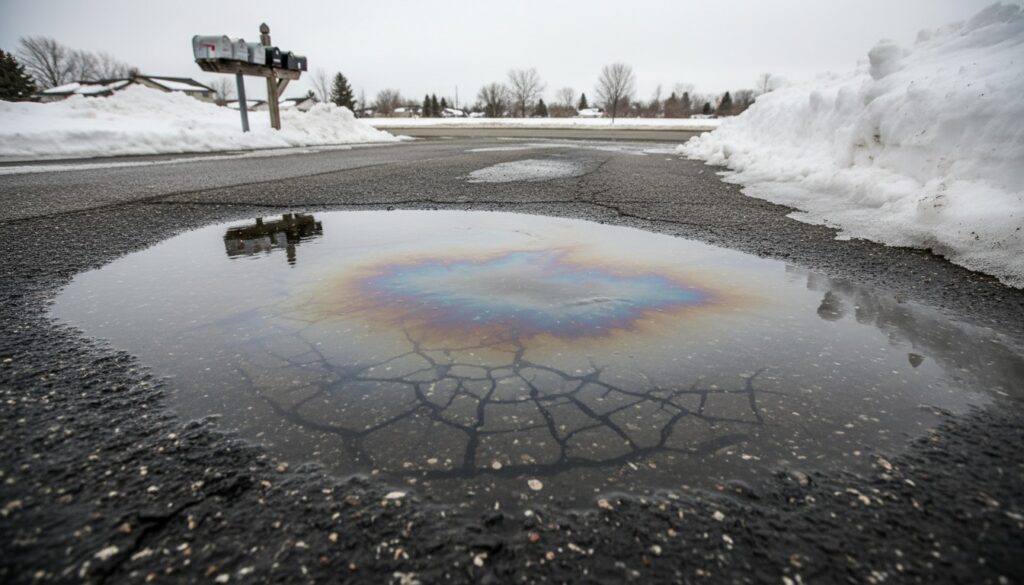
Thaw conditions combine liquid water, slush, road grime and rapidly shifting temperatures in a way that makes the road betray you. Oil and salt residue on pavement form a slick layer; a thin film of water on top of that grease can lift your tires off the surface. Once the rubber loses contact, steering and braking become unreliable.
Hydroplaning can start with a very thin layer of water roughly one‑tenth of an inch (2–3 millimeters) especially at higher speeds. You’ll see the greatest risk where runoff concentrates: the bottom of driveways, outside mailbox clusters, or near clogged culverts. NOAA and state DOTs remind drivers that bridges and overpasses freeze sooner than surrounding roads, and FEMA warns homeowners not to drive through standing water because it can hide depth, debris and broken pavement.
Car prep: tires, brakes, lights and other maintenance
Tires are your first line of defense in wet, thawing weather. Check tread depth, pressure and overall condition before the thaw. Many safety pros recommend replacing tires well before the legal minimum aim for at least 4/32 inch of tread for better wet traction. Use a tread gauge or the quarter test, and check pressures when the tires are cold, following your vehicle maker’s recommended psi.
Underinflated tires ride softer and channel water less effectively; a drop of about 5 psi can noticeably increase stopping distance. Visibility and braking matter just as much as rubber on the road. Replace windshield wipers every six to 12 months, clean headlights and taillights so other drivers can see you, and inspect brake pads and fluid during your pre‑thaw tune‑up. If your ABS or traction‑control light is on, get it checked ABS helps you maintain steering control under heavy braking on wet surfaces, according to AAA and vehicle manufacturers.
Do a quick alignment check and clear gutters and driveway drains so runoff doesn’t pool at the curb. Little steps at home a broom, a hand‑held leaf blower, a quick trip to the shop make a difference when the thaw hits. Our winter maintenance checklist at StaySafe.org walks through these steps in more detail.
Driving techniques for wet roads and recovering from hydroplaning
Good prevention is mostly about speed, spacing and lane choice. Slow down progressively for wet roads and avoid using cruise control in heavy rain. Increase your following distance to four to six seconds so you have more time if the vehicle ahead slows or sprays water.
When traffic permits, drive in the tire tracks left by the car ahead those lines are often drier. Treat any puddle you can’t see the bottom of as an unknown; if you can’t confirm depth, slow way down or go around it. Even a shallow, fast moving sheet of water can destabilize a car.
If your vehicle begins to hydroplane, lift off the accelerator, keep both hands on the wheel and steer straight until the tires regain traction. Don’t make abrupt steering moves or stomp the brakes. If your ABS engages, apply firm, steady pressure and let the system do its job rather than pumping the pedal.
Where possible, choose right‑hand lanes; water tends to pool less there. If you regularly drive in sustained cold and wet conditions, consider winter tires; chains are only useful where local rules allow them and where road conditions truly warrant the extra grip.
Late winter hazards
Black ice and thin refreeze layers are dangerous because they’re almost invisible. Watch for subtle clues when temperatures flirt with freezing: a stretch of road that looks unnaturally glassy, or a patch that doesn’t throw spray when other cars pass. Bridges and overpasses cool from both above and below, so they freeze sooner than open road something state DOTs repeatedly warn about.
The freeze‑thaw cycle forces water into small cracks; when that water refreezes it expands, and the thaw that follows can leave potholes overnight. Scan far ahead and steer clear of curbside slush where water and potholes collect. Storm runoff can also wash out shoulders and create deceptive drop‑offs at the pavement edge; FEMA notes that moving water only a few inches deep can sweep a car off the road.
At home, keep culverts, downspouts and driveway drains clear so pooling happens less often at the curb. Standing water after a thaw is a nuisance and a health concern: CDC and EPA guidance point out that lingering water breeds mosquitoes and attracts rodents, so cleanup helps both your driving safety and your home’s habitability.
If you hydroplane, break down or become stranded
When a vehicle hydroplanes or skids, the first moves should be calm and deliberate. Lift off the accelerator, keep your hands steady on the wheel and avoid sudden steering inputs or heavy braking. Once traction returns, check your mirrors and, when it’s safe, steer to the shoulder or into a driveway to assess damage and avoid a secondary crash.
If the engine stalls after hitting water, FEMA advises not to try restarting in deep water and to move to higher ground if water is rising. A compact thaw‑season emergency kit changes how you feel about winter trips. Pack a warm blanket or sleeping bag, hat and gloves, a flashlight with extra batteries, a fully charged power bank, a basic first‑aid kit, reflective triangles or flares, nonperishable snacks and bottled water, a small shovel, an ice scraper and a bag of sand or cat litter for traction. Add vehicle‑specific items such as a tire repair kit and portable air pump. For families, include child‑seat supplies, medications and extra diapers or formula as needed.
After an incident, document the scene with photos, exchange information safely if another vehicle is involved, and call your insurer promptly. If floodwater reached your garage or basement, follow CDC guidance to dry and clean affected areas within 24 to 48 hours. If you notice increased rodent or insect activity after standing water, contact a licensed pest professional, as the NPMA recommends.
Keep your emergency kit in the trunk or a weatherproof container in the garage and tell someone your route before you leave on a stormy day.
With the car tuned for traction, a few practiced driving habits and a winterized emergency kit, late‑winter drives feel a lot more manageable even when the thaw brings surprise hazards. Small routines clearing drainage, checking tires and brakes, dialing back your speed and packing family‑focused supplies pay off the instant the next storm breaks. For more detail, see our storm preparedness guide and winter maintenance checklist, and check battery testing advice for portable power banks and vehicle batteries before you head out.