

What’s the safest way to stay visible when fall days get shorter?
Start with the basics, clean headlights, reflective gear, and good habits. Turn your lights on before dusk, wear bright clothing when you’re out walking or biking, and assume others can’t see you until you make sure they can.
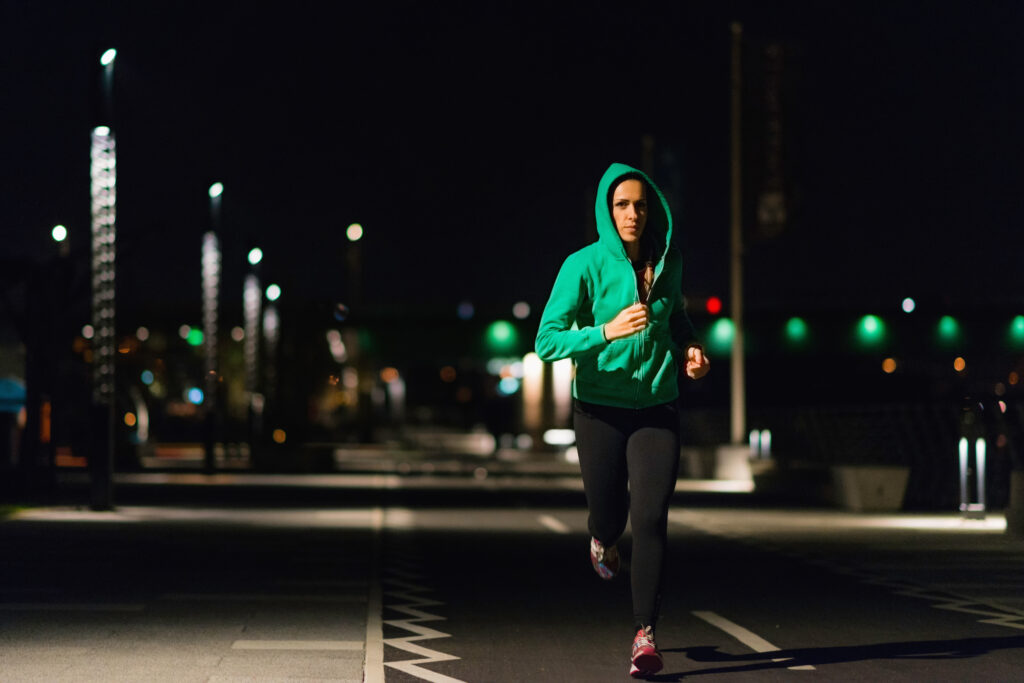
Table of Contents
- Why Fall Brings More Visibility Risks
- How to Improve Visibility While Driving
- What Pedestrians Can Do to Stay Visible
- Cyclist Visibility: Double Down on Lights and Reflectors
- Car Maintenance That Keeps You Visible
- Regional Weather Hazards to Watch For
- Does Technology Make You Safer?
- Everyday Habits for Safer Fall Nights
When fall days shorten, darkness sneaks up faster than you think. Early sunsets, fog, and wet roads make it harder for everyone to see. The best defense is simple clean headlights, reflective gear, and habits that keep you visible long before the light fades.
When fall rolls in, daylight disappears faster than you expect. One week you’re walking the dog at seven under a warm sunset; the next, you’re flipping on the porch light before dinner. The air feels crisp, the trees start to glow, and suddenly the neighborhood looks darker than you remembered. That shrinking window of daylight changes everything about how you see and how others see you on the road.
According to the National Safety Council, roughly half of all traffic deaths happen after dark, even though far fewer miles are driven at night. Shorter days mean more time spent navigating in shadows, fog, or glare conditions that make it harder for everyone to see what’s coming.
Why Fall Brings More Visibility Risks
As the days shorten, the sun drops lower in the sky, casting longer shadows and brighter glare. That same golden light that makes fall so beautiful can be blinding on your evening commute.
The hour between sunset and full dark often called the “twilight danger zone” is when things get dicey. Your eyes are still adjusting, headlights are coming on, and shiny pavement or scattered leaves reflect light in unpredictable ways. Add a little fog or drizzle, and you’ve got the perfect recipe for poor visibility.
Researchers at the University of Toronto found that driving toward a low sun raises the risk of a serious crash by more than 15 percent. It’s a small detail with big consequences proof that even something as ordinary as the angle of sunlight can shift how safe a drive feels.
How to Improve Visibility While Driving
1. Keep your headlights clear and bright.
A little grime can cut your light output in half. Wipe lenses weekly, and replace cloudy or yellowed covers. Use low beams in fog high beams just bounce off the moisture and make it worse.
2. Clean the glass inside and out.
A streaky windshield scatters light like a prism. Keep a microfiber cloth handy for the inside, where a thin film from your dashboard can build up over time.
3. Adjust mirrors and dash lighting.
Tilt the rearview mirror to night mode and lower the brightness on your dashboard so your eyes can focus on what’s outside, not what’s glowing inside the car.
4. Stay alert for others.
Dark clothing makes pedestrians nearly invisible after dusk. Slow down in neighborhoods and near parks, and give cyclists extra room. For broader seasonal guidance, take a look at Disaster Preparedness: What You Need To Know.
Quick Tip: The National Highway Traffic Safety Administration suggests turning on headlights whenever visibility drops below 500 feet about the length of a city block.
What Pedestrians Can Do to Stay Visible
You don’t need to dress like a traffic cone to stay safe. Just a few small tweaks can make you stand out at night.
Choose bright colors yellow, lime, or orange work best and add reflective details to your jacket, shoes, or backpack. Clip-on LED lights are inexpensive and surprisingly effective; even one can make you visible from a few hundred feet away.
Stick to well-lit routes and, if there’s no sidewalk, walk facing oncoming traffic so you can react faster. Keep distractions down save the playlist for later, and stay off your phone while crossing streets.
Around the house, make visibility part of your routine. Replace burnt-out porch bulbs, test motion lights, and remind kids heading out after dark to grab something bright.
Cyclist Visibility: Double Down on Lights and Reflectors
Cyclists deal with all the same visibility problems as drivers just without the protection of a car. The fix is simple: light up, reflect, and stand out.
Install good lights. A white headlight and red taillight are required in most states after dark. Use them during the day, too it helps drivers see you in their periphery.
Add reflective motion. Tape on your wheels, pedals, and helmet catches attention because it moves. Reflective ankle straps work wonders; the rhythmic motion of pedaling draws the eye faster than a static reflector.
Stay where you’re visible. Ride a few feet from the curb and use clear hand signals. Don’t assume a car’s headlights mean the driver has spotted you. If you can, make eye contact.
And don’t shy away from color. A bright neon jacket may not win a style contest, but it could be the reason someone notices you in time.
Car Maintenance That Keeps You Visible
Fall driving brings its own kind of mess mud, leaves, rain, and road film all take a toll on how well you can see.
Check tire pressure weekly; it drops about one PSI for every 10-degree temperature change, which can affect grip on slick pavement. Keep mirrors and headlights clean, and if your lights seem uneven, have them realigned potholes and rough roads can knock them off-center.
It’s also smart to keep a small visibility kit in your trunk: a reflective vest, flashlight, spare batteries, and warning triangles. If you ever have to pull over at night, these can make all the difference. You’ll thank yourself for being ready.
Before the cold sets in, take a few minutes to review How To Prevent Fire In Your Home a quick reminder that safety prep is easier when you do it season by season.
Regional Weather Hazards to Watch For
Every part of the country has its own fall visibility challenges.
In the Northeast and Midwest, fog and frost are constant companions, and wet leaves can turn the road into a slick mat. Defrost your windows completely before driving off.
The South and Southeast face short twilight periods and heavy rain glare that hits without warning.
In the Mountain States, fog can appear out of nowhere as you climb or descend.
And in the Pacific Northwest, drizzle is almost a daily event. Wipe headlights often they collect more residue than you’d think.
Right after Daylight Saving Time ends, crash numbers spike nationwide. It’s not just darkness people’s routines are off. Drivers haven’t adjusted to the earlier sunset, and pedestrians forget how hard they are to see. That first week, take it slow, turn your lights on early, and assume visibility is worse than it looks.
Does Technology Make You Safer?
Modern vehicles come loaded with safety tech automatic headlights, adaptive beams, pedestrian detection. Handy, sure, but not foolproof. A dirty sensor or fogged camera lens can easily throw them off. Technology should help, not replace your awareness.
The same goes for cyclists using smart lights or runners wearing app-controlled gear. Great tools, but nothing beats paying attention. The human factor still matters most.
Everyday Habits for Safer Fall Nights
A few easy habits can make all the difference:
- Turn headlights on early, even before sunset.
- Clean your mirrors and windows weekly.
- Add reflective touches to your jacket, backpack, or dog leash.
- Plan walks or bike rides around daylight when you can.
- Stay patient glare, rain, and darkness are part of the season.
Being visible isn’t about fear. It’s about giving yourself and everyone else a fighting chance to see clearly when the world gets darker a little earlier each day.