

Q: Why is the Labor Day drive home particularly risky for drowsy driving?
A: Late nights, compressed sleep, and long evening miles add up. Add disrupted circadian rhythms, the quiet comfort of a familiar route, and the urge to get home, and you have a setup that makes the return trip especially vulnerable to drowsy driving. Practical steps, planned breaks, a short nap with a cup of coffee, and a quick pre-trip checklist, cut the risk dramatically.
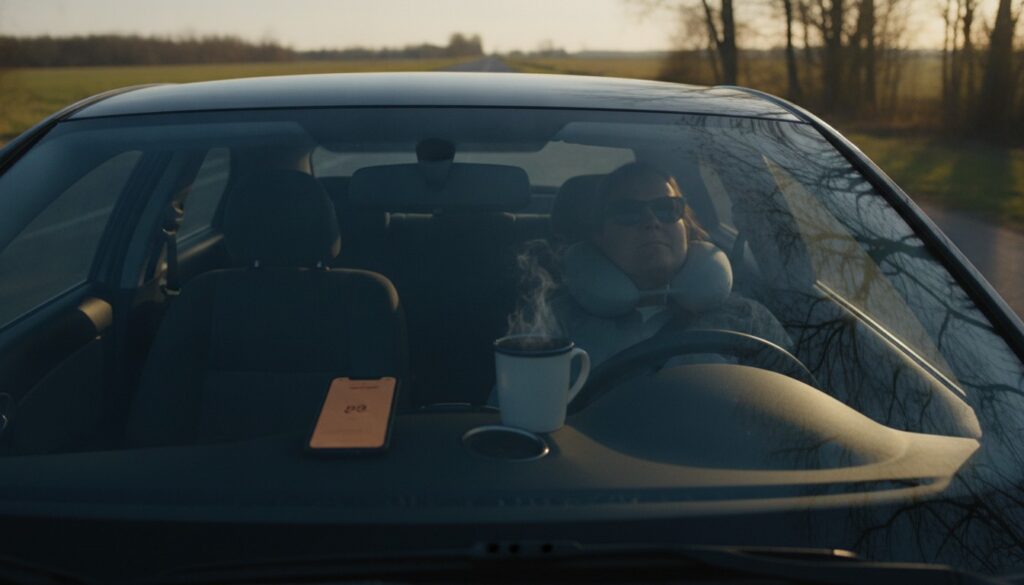
Picture the drive home after a long backyard barbecue: the highway unfolding as the sun slides down, the kids snoring softly in the back, and that slow, easy feeling that makes the last leg of Labor Day seem almost effortless. You spent the day manning the grill, rinsing off charcoal, and squeezing one last game of cornhole in before packing up. Now all that is left is the road, a playlist, and the comforting thought of your own bed. That ease is exactly what makes this stretch dangerous. Late nights, long miles, and a hurry to finish create a perfect storm for drowsy driving over the holiday.
Fatigue on return trips is common and more dangerous than most people guess. The National Highway Traffic Safety Administration and the AAA Foundation for Traffic Safety report startling numbers; a lot of drivers admit to nodding off, and those micro-sleeps can cost lives. Below, you will find what helps on the road, what does not, and how to plan stops that actually restore alertness.
Why the Labor Day drive home is a high-risk time for drowsy driving
The return trip silently piles up sleep debt until your hands feel heavy on the wheel. You probably stayed up later socializing, packed the car after a long day, woke earlier to get on the road, and maybe grabbed a short nap if you were lucky. Those small deficits stack. They do not disappear because you drove home, and they hit hardest on the way back when everyone is eager to finish.
Circadian rhythms make the timing worse. Your body has low points in the late afternoon and again at night, and those dips often line up with evening returns. Leave the lake at 6 p.m., drive three hours with one quick stop, and by hour two your eyelids will be heavy, your focus will thin. Sleep pressure impairs judgment and reaction time in ways similar to alcohol, a comparison the Centers for Disease Control and Prevention highlights. Monotony, bad weather, and traffic make things worse, according to crash data and extension office safety guides.
Spot the warning signs early
You will get physical clues if you are paying attention: yawns you cannot stop, eyelids that feel like weights, tiny micro-sleeps where your head nods. Those micro-sleeps last a few seconds and are enough to lose control. Treat those signs as alarms, not inconveniences.
Cognitive and behavioral cues can be more subtle until they are serious: your thoughts drift away from the road, you miss exits you meant to take, the car wanders between lanes, or you find yourself brushing the rumble strip. Speed becomes inconsistent, braking delayed. If you realize you drove a stretch without remembering it, that is not harmless zoning out. The CDC and university safety guides stress noticing and acting on these early cues. Talking to a passenger or cranking the radio may feel helpful, but they are unreliable. Keep a short checklist in the glove box that prompts immediate action if you see these signs, and teach teen drivers to speak up when they notice sleepiness.
Caffeine, naps, and the limits of quick fixes
Caffeine blocks adenosine receptors in the brain and gives a temporary lift, usually peaking within 30 to 60 minutes. A strong cup of coffee or a small energy drink sharpens attention enough to make a short stretch of driving or reach the next rest area. That is why caffeine works best as part of a plan.
Caffeine is a bandage, not a cure. After several nights under five or six hours of sleep, or during a circadian low, caffeine briefly masks impairment and then lets you crash harder. You know the pattern: an energy drink at mile 90 works for 45 minutes, then the next hour you are nodding off again. That rebound happens because caffeine delays sleep pressure, it does not remove it. For short-term recovery on the road, pair caffeine with a 15 to 20 minute power nap: drink a cup, set an alarm, and rest so you wake as the caffeine kicks in. Health authorities advise against stacking stimulants and recommend planning stops or an overnight stay rather than relying on multiple energy drinks. Adults need seven or more hours of sleep for consistent safety and performance.
Plan your stops and the smart rhythms of a safe return trip
Think of the drive home as a series of shifts, not one long haul. Schedule regular breaks, aim to stop every 90 to 120 minutes, or roughly every 100 miles. Use rest areas to get out, walk, rehydrate, and get bright light if it is daytime. Those mini-resets help circulation and give your brain new input to counter monotony.
A 20-minute nap at a safe rest area restores alertness far better than leaning back in the driver’s seat for five minutes. Swapping drivers is useful when you have multiple licensed adults: plan rotations before anyone gets groggy so you do not end up pushing through exhaustion. Single drivers should be realistic and consider an overnight stay rather than forcing it. A family returning from the coast might plan two-hour stretches, stop 20 to 30 minutes for a snack and a walk, swap drivers, and avoid driving past midnight. Those small choices make it far less likely you will try to muscle through fatigue. For more on trip planning, see our guides on storm preparedness and safe family travel at StaySafe.org.
Prepare your car, your household, and everyone in the vehicle
Before you pull away, a quick vehicle check reduces the chances that a mechanical issue will become a compounding emergency far from home. Check tire pressure and tread, top off oil and coolant if needed, test lights, and make sure your phone charger and a power bank are charged. Pack an emergency kit with reflective triangles, a flashlight, a basic first-aid kit, and a printed map or list of rest areas in case your phone dies. AAA and local extension offices note that small pre-trip inspections prevent many frustrating roadside delays that worsen driver fatigue.
Your household matters too, because worrying about things at home while you drive increases stress and deepens fatigue. Set light timers, pause mail or newspaper delivery, secure trash, and unplug nonessential appliances to cut fire risk. If you have pets, confirm feeding and walking plans with a neighbor or sitter, and leave a spare key or contact information with someone you trust. Coming home to a problem multiplies stress and makes the next drive riskier. Many homeowners keep a laminated pre-departure checklist in the glove box to reduce last-minute forgetfulness.
If drowsiness hits on the road
When drowsiness hits, the fastest, safest choice is to find the nearest safe place to pull over: a rest area, a well-lit gas station, or a parking lot. Stop the car rather than trying to coast on a shoulder. Pulling into a designated space lets you stretch, use the restroom, and take a short nap without the extra stress of being on the road’s edge. AAA and NHTSA both advise that stopping and sleeping briefly is safer than continuing to drive when you are impaired.
If stopping right away is not possible, swap drivers if someone else is licensed and alert, or ask a passenger to manage navigation so you can close your eyes for a moment. When no immediate swap is possible, plan the next exit and take a 20 to 90 minute nap depending on how drowsy you feel, then pair the nap with a moderate dose of caffeine before resuming. Avoid relying on loud music, rolling down the window, or short bursts of intense focus. Those tactics feel like they work, but they do not fix the underlying sleep debt. Prepare your phone and passengers before you leave: create a Drive Home folder with rest-area maps, emergency contacts, and one-tap numbers for towing or roadside service, and teach kids to tell you if you look sleepy.
Researchers keep refining guidance on nap length for different ages and situations, so official advice changes slowly. For now, prioritize scheduled rest, realistic drive windows, and a clear plan to stop at the first sign of sleep. That approach will get you home safer.