

Q: What should I do in the last weeks before September to prepare for hurricane season?
A: Run a short, focused sprint: shore up obvious weak points on your home, sort insurance and critical documents, build or refresh a 3 to 7 day kit (longer if you are remote), and run a simple household evacuation and communication drill while supplies and contractors are still available.
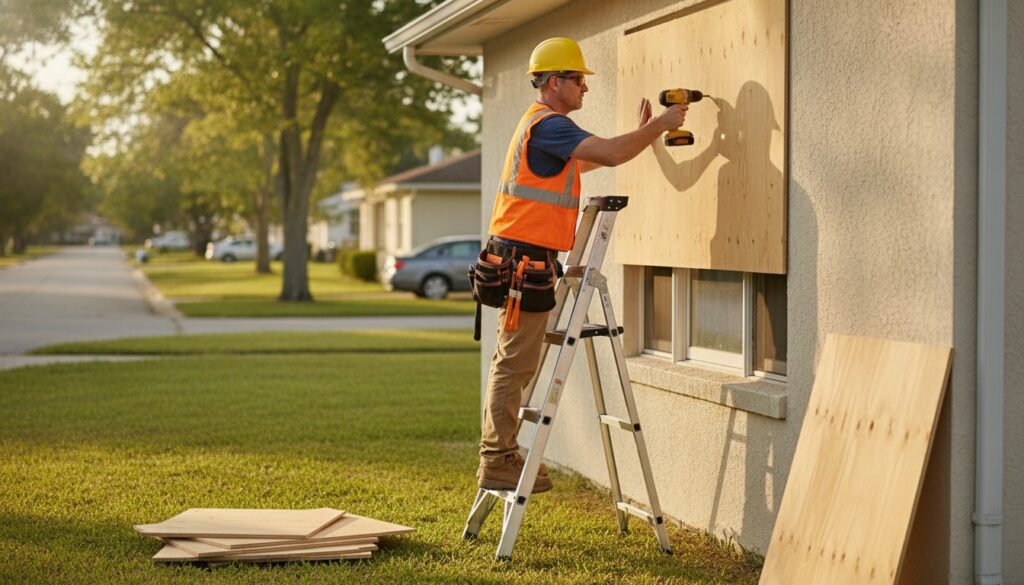
Late August is a narrow, useful window. Grocery shelves that will empty when a storm is announced are usually full now. Contractors still have open slots, and insurers will accept changes that can take effect before the busiest weeks. NOAA tracks a peak in Atlantic activity around September 10, and that timing turns small delays into big headaches: sold-out plywood, booked crews, and flood policies that sit in a 30 day waiting period. You do not need to rebuild everything. A short, practical push focused on home-hardening, paperwork, and supplies will leave you calmer and better protected.
Why the weeks before September are your most important prep window
Storms forming in late August can strengthen fast and reach their strongest form in early to mid-September. That seasonal rhythm shapes supply chains and contractor schedules. Local emergency managers and FEMA advise keeping at least a three day supply of essentials. Act now and you can buy shutters or plywood before prices spike, schedule inspections while contractors are available, and avoid the 30 day waiting period on many flood policies. For most homeowners, late August is when a vague worry becomes concrete steps that cut both risk and stress.
Quick home-hardening moves that pay off before the first major storm
Think of your house as a system where the roof, windows, and garage door are the weak links that let wind and water do the most damage. Walk the roof if you can, or have a contractor do it, and look for loose or missing shingles and flashing that has pulled away. If you see a flapping shingle or feel a gritty rasp under your fingers at the flashing, that is a red flag. Installing hurricane straps or clips where accessible reduces uplift and is recommended by university extension services.
Check windows and doors for failing seals and rotted trim. If you do not have impact-rated shutters, pre-cut 5/8 inch plywood, mark each panel for its opening, and bolt them on quickly when needed. Anchor lighter outbuildings and patio furniture so they do not become missiles. Strap sheds to concrete pads, move grills to sheltered spots, and trim tree limbs so they sit 10 to 15 feet away from the roofline. Take photos as you go, make a short checklist for contractors, and prioritize fixes local codes and inspectors flag.
Get documents, insurance, and inventories done
Insurance is often the slow part of recovery. Flood coverage commonly has a 30 day waiting period before new policies take effect, and wind and flood are usually separate perils, so read your homeowners and flood policies carefully to see what is covered and what deductibles apply. Create a prioritized inventory of valuable items with dated photos and short video walk-throughs that show serial numbers and receipts. Store scanned copies in encrypted cloud storage and keep originals or a thumb drive in a waterproof, elevated spot or a safe-deposit box. A clear, dated inventory speeds claims and helps adjusters verify losses quickly.
Build (or refresh) a hurricane kit now
Stock at least one gallon of water per person per day and three to seven days of nonperishable food, extending to ten to fourteen days if you live in a remote area or if evacuation routes could be blocked. Include a manual can opener, a first aid kit, flashlights or headlamps, extra batteries, and prescription medications with current dosing and pharmacy information. If you plan to use a portable generator, match size to load: a 2,000 to 3,000 watt inverter will run a refrigerator and charge devices, while HVAC or whole-house needs require much larger units and a fuel plan. Store gasoline in approved containers away from living spaces and follow safety rules: operate generators at least 20 feet from doors and windows and never inside an attached garage. Rotate food and medications seasonally so nothing expires when you actually need it.
Protect against fire, pests, and post-storm hazards
Generator misuse and carbon monoxide are leading post-storm hazards you can prevent. Always run generators outdoors at least 20 feet from windows and doors, and keep carbon monoxide detectors on fresh batteries near sleeping spaces. Never use indoor grills or kerosene heaters inside. After the storm, standing water invites mosquitoes and other pests, and mold can begin to grow within 24 to 48 hours in damp conditions, according to the EPA. Remove stagnant pools, tip buckets, and clear clogged gutters to cut mosquito breeding. Expect rodents to seek dry shelter inside walls and attics. Pack a wet/dry vacuum, heavy plastic sheeting, gloves, and disinfectant for immediate mitigation, and call licensed remediation professionals if water exposure is significant.
Create a household communication and evacuation plan
Map two exit routes from your neighborhood, identify your evacuation zone, and pick a nearby meeting spot plus an out-of-town location where family members can gather if you get separated. Install the FEMA app for official alerts and shelter locations and assign clear roles: who grabs critical documents, who shuts off utilities, who takes the pets. Make laminated contact cards for children and older relatives so essential information travels with them, and run a simple drill that includes grabbing the evacuation bag by the door and confirming phones and power banks are charged. Agree on a single out-of-area contact to relay information if local networks are congested, and coordinate with neighbors to check on people who depend on powered medical equipment.
Final checklist for the last weeks before September
Do a quick sweep of high-impact items: roof and flashing, pre-cut plywood or shutters, generator operation and fuel plan, insurance review and inventories, and a stocked 3 to 7 day kit. Practice your evacuation drill once to reveal gaps, and make appointments now for contractors or inspections while they still have openings. A focused push in this narrow window turns last-minute panic into calm readiness, and that is the simplest way to protect your home and family when the season peaks.