

Q: How can you prevent accidentally leaving a child in a hot car?
A: Use simple, repeatable routines, reminders, and layered technology, guided by public-health advice, so a memory lapse is caught by a habit, a person, or a device before a few ordinary minutes in a hot vehicle becomes a tragedy.
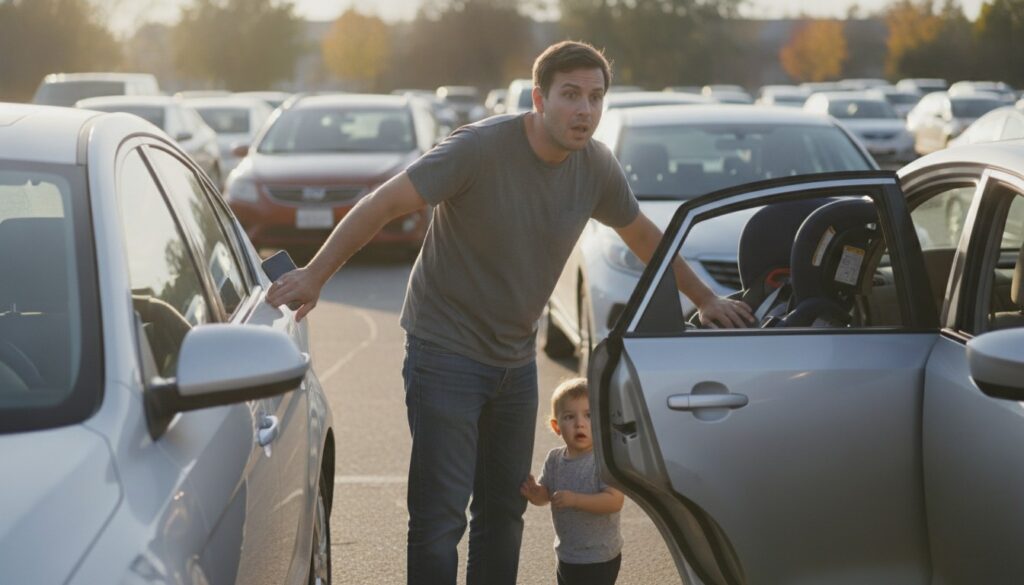
Table of Contents
A spilled coffee, a detour, a last-minute phone call. Small interruptions turn a familiar morning into a careless, dangerous moment. You know the ritual: diaper bag, lunchbox, the same driveway, the same drop-off spot. You trust your memory to bridge that few minutes. But our seasonal safety survey at StaySafe.org finds that disruptions are the most common trigger for near-misses. A quick change in routine is often enough to pull your brain off autopilot and create a blind spot.
This piece walks through why those slips happen without blame, what public-health data shows about who is most at risk and when, and the simple routines and immediate steps that protect a child. You will also find practical ways to tuck reminders into busy mornings and which device features tend to work best.
Why “It Could Never Happen to Me” Isn’t a Good Measure of Risk
Most people feel sure they would never forget a child. That confidence comes from experience; most of the time you are alert and on top of things. Your brain uses something called prospective memory to hold future intentions, like dropping a child at daycare. That system is fragile when the usual cues shift. Stress, sleep loss, or everyday medications increase the chance of a lapse. Returning to work after parental leave is one of the higher-risk periods, according to public-health experts.
Framing prevention without blame makes it easier to add redundancies that work with how your brain actually operates, instead of depending on willpower alone. Habits and external cues turn a fragile intention into a reliable check. The trick is to choose cues you already use, then make them visible and repeatable.
What NHTSA and Public Health Data Tell You About Risk Patterns
National numbers reveal a painful pattern. The National Highway Traffic Safety Administration reports about 38 children die each year in the U.S. from heatstroke after being left in vehicles. Most of those fatalities involve children who were forgotten by a caregiver. July is the peak month. Infants and toddlers are most vulnerable because they cannot get out on their own and they heat up faster than adults. CDC experts point to a child’s higher surface-area-to-body-mass ratio and immature temperature regulation as reasons minutes matter.
Many incidents happen in driveways, parking lots, or during short errands, so this danger is not limited to long trips. NOAA and local health warnings note a car’s interior can rise about 20 degrees in ten minutes on a warm day. That rapid heating, together with a child’s physiology, explains why even a few minutes are dangerous.
Routine-Based Prevention Habits You Can Start Today
Make the back seat part of your exit ritual so you do not leave it to memory. One practical trick is simple and effective: place an essential item you need at your destination, like your phone, laptop, or a shoe, in the back seat during the morning routine so you must open the rear door at drop-off. Physical cues interrupt automatic thinking and pull your attention back.
Other easy cues work too: a bright sticker on the dash, looping your bag through the car-seat strap, or tying a colorful cloth to the rearview mirror. These visual nudges force you to look. Say the check out loud before you close the door, even if it feels silly. That verbal confirmation helps.
Build social and procedural backups. Ask daycare to send a text when your child arrives, agree on a “dropped off” message with your partner, or use a shared calendar alert for every transport. Run through the plan once or twice so you find the snags before they matter. Make sure grandparents, babysitters, and other drivers know the cues and follow them.
Technology, Products, and Vehicle Features That Add Layers of Safety
Many cars and aftermarket products are designed to catch a routine lapse. NHTSA recommends rear-seat reminder systems as an extra layer that complements habits. Newer vehicles have chimes, dashboard messages, or post-trip alerts that tell you to check the back seat. Aftermarket options include pressure-sensitive pads beneath a car seat, Bluetooth alerts tied to your phone, and apps that require a photo confirmation at drop-off.
When you add tech, integrate it into your routine. Test devices weekly, keep batteries charged, and update apps so notifications remain consistent and audible. Treat a quick device check as part of your morning ritual, and show anyone who drives your child how the system works. The most reliable setup is the one you test regularly and actually use.
If You Find a Child Alone in a Hot Car
If you see a child alone in a hot vehicle, call 911 first so emergency services are on the way and dispatchers can advise you. Many jurisdictions have Good Samaritan protections for emergency rescues, so legal worries about breaking a window should not delay lifesaving action. Get the child out as quickly and safely as possible, move them to shade or air conditioning, and begin cooling steps like removing excess clothing and pouring cool, not ice-cold, water on the skin.
Watch for danger signs that need immediate medical attention: severe lethargy, poor responsiveness, vomiting, seizures, very hot flushed skin, or no sweating. If the child is confused or unresponsive, call for an ambulance without hesitation. Afterward, notify caregivers and daycare, give authorities a factual account, and alert store security or a manager so they can check surveillance and assist.
Practical Next Steps for Your Household and Neighborhood
Turn these ideas into a simple family plan you rehearse until it feels familiar. Put a short drop-off checklist on the fridge and in the glove box, and agree that no one leaves the car without saying the child is out. Assign roles so everyone knows who confirms drop-offs, who handles daycare messages, and who updates the shared calendar when plans change. Clear handoffs prevent the memory gaps that so often cause problems.
Bring this conversation to work and to your neighbors. Employers can help by offering flexible start times or return-from-leave checklists that give parents breathing room. Share materials from health departments, FEMA summer-safety messaging, or university extension kits to normalize checking the back seat. These small routines slip easily alongside other safety habits, like testing smoke alarms or topping up emergency supplies, and they make your home and neighborhood safer.
Start today by picking one habit to add to your morning routine, talking it over with anyone who helps with childcare, and placing a visible reminder in your car. Keep the practice active during vacations and when routines change. Consistency is what protects children.