

Q: How can you tell when ordinary summer fatigue becomes a medical emergency?
Watch for a sudden change in mental status such as confusion, slurred speech, repeating questions, or collapse, and begin rapid cooling while you call 911. Those steps are what separate life threatening heat stroke from routine heat exhaustion.
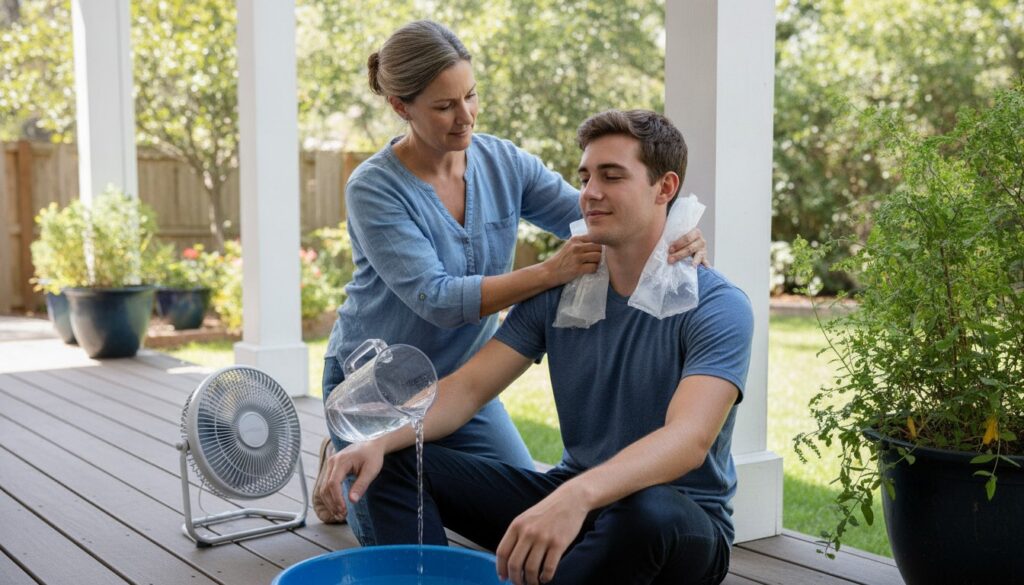
Table of Contents
Picture a long July afternoon: the mower thumps, the cut grass smells sweet and faintly green, the kids are shrieking in the sprinkler, and the thermometer reads 95°F. A neighbor drops onto your porch step, pale and sweating. Half an hour later they are confused and lethargic. Heat can flip from annoying to life threatening faster than most homeowners expect, and what looks like summer fatigue can become an emergency in minutes.
Heat exhaustion and heat stroke share early signs, heavy sweating, weakness, headache, nausea, so it is easy to miss the tipping point. During heat waves, after hard yard work, or following long backyard sports sessions, symptoms can progress without much warning. High humidity raises risk; the NOAA heat index shows humid days feel hotter and that raises the danger even when the air temperature seems moderate.
Read on to learn how to recognize the moment exhaustion becomes a medical emergency, what to do in the first critical minutes to protect someone’s life, and how to keep heat from racing through the stages in the first place. You will also find homeowner-focused prevention tips, simple staging ideas like a shade, water, ice pack, and phone station, and links to related StaySafe.org guides on storm preparedness and fire prevention.
How to tell heat exhaustion from heat stroke
Heat exhaustion is your body struggling to cool itself. Expect heavy sweating, clammy skin, weakness, a pounding headache, and sometimes nausea or faintness. Heat stroke is different and far worse. The body’s cooling system fails, core temperature climbs to dangerous levels, and the person shows altered mental status, confusion, slurred speech, seizures or collapse. The CDC points out heat stroke is a medical emergency, often associated with a core temperature around 104°F or higher.
The single most important red flag is a change in mental status. If someone who was sweaty and dizzy suddenly seems not themselves, repeats questions, becomes irritable, or collapses, treat that as an alarm. Another clue is when sweating stops abruptly and skin becomes very hot and dry. Progression can be rapid, especially when the heat index is around or above 90°F, so keep a local heat index app or NOAA alerts handy.
Imagine pruning hedges and a neighbor who had been complaining of dizziness now stares blankly and repeats a question you just answered. That mental change is the flashing red light that turns casual first aid into an urgent rescue. A reliable oral or ear thermometer is useful, but do not delay cooling while you look for one.
First minutes when heat exhaustion looks worse
If you suspect heat stroke, confusion, loss of consciousness, seizure, or very hot dry skin, call 911 immediately. Do not wait to see if rest and water fix the problem; prompt EMS activation is critical and can shave vital minutes off treatment time. Early cooling lowers the risk of organ damage, a point emergency doctors emphasize.
Move the person to shade or air conditioning and remove excess clothing so heat can escape. Cold water immersion is the fastest way to reduce core temperature if you have a bathtub, kiddie pool, or other rapid access to cool water and help to lift someone safely. For most homeowners, wet towels, spray bottles, and vigorous fanning are effective when paired with ice packs placed at the neck, groin, and armpits. Start continuous cooling and keep it going until EMS takes over. Trade off tasks, one person fans while another sprays or applies ice, because that coordinated effort keeps cooling steady.
If the person is unconscious or unable to swallow, do not give fluids by mouth. If they are alert and can swallow, offer small sips of cool water or an electrolyte drink and avoid large gulps that might induce vomiting. Monitor breathing and pulse and be ready to perform CPR if necessary, following American Heart Association guidance. Sports drinks replace electrolytes after prolonged heavy sweating, but rapid cooling and medical evaluation are the priority.
Picture a neighborhood barbecue where an adult collapses near the grill: someone calls 911, another helps move the person to a shaded patio, a third hoses them down with a gentle spray, and an ice-filled cooler supplies packs placed along the neck and groin while a fan circulates air. Those quick, coordinated steps often prevent permanent harm. Follow EMS and clinician advice on when it is safe to resume normal activity after cooling and observation.
Preventing exhaustion from turning into stroke
Prevention starts with timing. Schedule heavy chores like roofing, moving mulch, or mowing for early morning or late evening, and break tasks into shorter sessions. Use a buddy system so someone can watch for warning signs, set a timer for 15 to 20 minute rest breaks, and build shaded stops into your plan. Simple timers and heat index alerts on a phone are practical and effective.
Hydrate regularly rather than waiting until you are thirsty, and for long sweaty sessions include electrolyte drinks to replace salts. Wear light, loose, breathable clothing and a wide brim hat that shades your face and neck; a damp neck band or cap cools you during breaks. Your body acclimatizes over time, so increase outdoor work gradually. OSHA guidance on work-rest cycles and acclimatization translates well to household projects.
Make home cooling part of your toolkit. Keep frequently used rooms comfortable with air conditioning when possible, and identify nearby public cooling centers as a backup. Fans provide comfort but are not always sufficient when the heat index is extreme, so get into cool air during very hot, humid spells. Simple staging, a shaded spot, water, ice packs, and a charged phone, turns your yard into a safer workspace. If you need details on where to find local cooling centers or how to use a generator safely, check EPA and local health department resources.
Household preparedness: plan, equip, and train
You sleep better with a practical plan in place before a heat wave arrives. Keep your air conditioner serviced and identify a backup: friends or family with reliable AC or a nearby cooling center. Store extra bottled water, electrolyte packets, gel ice packs or frozen water bottles, and a basic first aid kit that includes a thermometer so you can check whether someone’s temperature is dangerously high. Readers tell us a labeled cooling kit in an accessible spot speeds response and reduces panic.
Train your household like a small team. Teach family members to recognize signs of heat illness and practice simple 911 scripts so a caller can give the location, condition, and actions under way. Post emergency contacts and instructions where everyone sees them, and set up a neighborhood check-in roster during multiday heat waves. This matters for children, older adults, people with mobility limitations, and pets that cannot cool themselves effectively. University extension services and local public health agencies often provide checklists and outreach tools you can adapt.
If power outages threaten your cooling options, plan safe backup power carefully and follow FEMA guidance for generator placement: outdoors and well away from doors and windows. Never use charcoal grills or other combustion devices indoors. If you or someone in the household works outdoors or performs heavy labor at home, remember OSHA guidance on acclimatization and rest cycles; those recommendations are smart household practice. Common follow-up questions include how long a generator can safely run and when to bring people indoors during a sustained heat advisory.
Common myths and mistakes that worsen heat emergencies
A dangerous myth is that sweating rules out heat stroke. That is false. Sweating can stop abruptly during heat stroke, and someone drenched in sweat minutes ago can become dry and dangerously hot. The real litmus test is mental status: confusion, disorientation, or collapse should trigger an immediate emergency response.
Some well-meaning interventions make things worse. Never give alcohol to someone who is overheated, because alcohol dehydrates and impairs judgment. Do not put a heat-stroked person in a hot bath, and do not sit on the sidelines hoping rest and fluids will fix confusion or fainting. Fans and sports drinks help in milder illness, but neither cures heat stroke. If someone is unconscious or incoherent, prioritize breathing and circulation and call 911.
Procrastination is another common mistake. At community events people often try to ride it out. The right move is to call EMS and begin active cooling while monitoring vitals, not to assume a caffeinated beverage will fix a collapsing runner. CDC and OSHA guidance are clear: heat stroke needs immediate medical care and rapid cooling.
Applying what you know to everyday summer risks
Think about yard work differently. If you plan a landscaping binge, split the job into two cool mornings rather than one long afternoon. Keep a shaded rest station with water and a thermometer, and never work alone during extreme heat. Treat DIY projects like a small workplace: set timers for water breaks, use a partner for heavy lifts, and keep a cooler with ice and electrolyte drinks within arm’s reach.
Kids, pets, and vehicles need special attention because heat builds quickly in small or enclosed spaces. Check your car before walking away, interior temperatures climb to dangerous levels in minutes even with windows cracked, and never leave children or pets unattended. Schedule outdoor play and sports for cooler parts of the day, enforce frequent water breaks, and keep shaded bowls and cool water available for pets. Children and infants are particularly vulnerable to heat illness.
When you host block parties, pickup games, or neighborhood barbecues, designate a heat safety captain who watches for warning signs and keeps an ice and water station available. Provide a shaded area with fans and cold towels and post the nearest air conditioned location and emergency route where guests can see them. Use the heat index to plan activity intensity and be more cautious when it climbs around or above 90°F. Check local public health alerts during multiday heat waves so you can scale back plans if conditions worsen.
For event planning checklists and neighborhood safety resources, visit StaySafe.org.