

How do you avoid gift card and delivery scams during the holidays?
Slow down before you pay or click, never send money using gift cards, and always double-check delivery notices through official retailer or carrier websites instead of links in texts or emails.
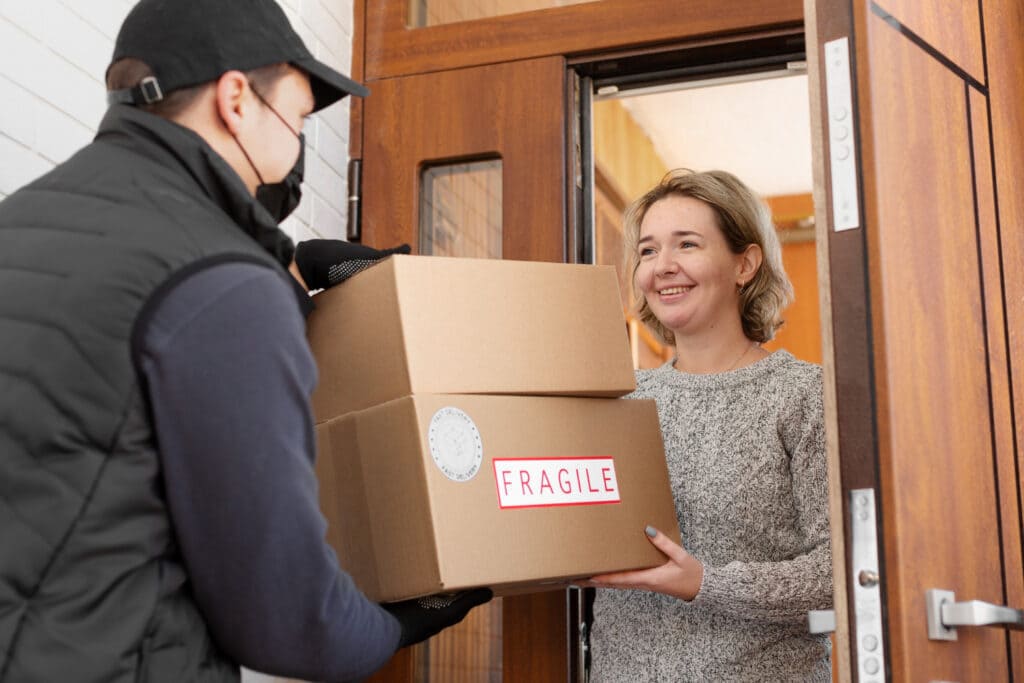
Table of Contents
- Why Gift Card Scams Peak During the Holidays
- Red Flags That Signal a Gift Card Scam
- How to Buy and Use Gift Cards Safely
- Delivery Scams: The Other Holiday Favorite
- How Fake Delivery Messages Trick You
- Smart Ways to Protect Yourself From Delivery Scams
- What to Do If You Think You’ve Been Scammed
- Helping Older Adults and Less Tech-Savvy Family Members Stay Safe
The holidays have a way of speeding everything up. One minute you’re scribbling gift ideas on a scrap of paper, the next you’re squeezing in errands after work, refreshing tracking pages while something simmers on the stove. It’s familiar, a little chaotic, and oddly energizing. It’s also exactly the kind of moment scammers wait for.
Every November and December, reports of gift card fraud and fake delivery scams climb sharply. According to data from the Federal Trade Commission, losses tied to gift card scams alone reach into the hundreds of millions each year, with the biggest spikes landing right in the heart of the holiday shopping season. People are busy, generous, and juggling multiple purchases at once. Even careful shoppers slip up.
Understanding how these scams tend to unfold, and why they work so well this time of year, can keep a festive rush from turning into a frustrating mess.
Why Gift Card Scams Peak During the Holidays
Gift cards are everywhere during the holidays. You grab them at the grocery store, tuck them into greeting cards, and feel relieved knowing they’ll probably be used. That convenience is exactly what makes them so appealing to scammers.
Once a gift card number is shared, the money is usually gone. There’s no account holder, no easy trail to follow, and very little chance of recovery. In many cases, scammers drain the balance within minutes, long before anyone realizes what’s happened.
Add holiday pressure to the mix and the risk climbs. When shopping gets squeezed between work deadlines, family obligations, and travel plans, it’s easier to act first and question later. Scammers count on that split-second decision.
Common Gift Card Scams You’re Likely to See
Most holiday gift card scams lean on impersonation. A call, email, or text claims to be from the IRS, a utility company, a retailer, or even your employer. There’s usually a problem that needs immediate payment to avoid penalties or trouble.
Another familiar setup is the fake boss request. The message sounds routine, even friendly. Can you grab a few gift cards for employee rewards or a client thank-you? They’re tied up and need a favor. The request feels normal, which is why people comply.
Online marketplaces bring their own risks. Discounted gift cards for popular brands can look tempting, especially when budgets are tight. Too often, those cards are already empty or were never legitimate to begin with.
Here’s the simple truth that cuts through all of it. Legitimate businesses, government agencies, and utilities do not accept gift cards as payment. If that’s the ask, it’s a scam.
Red Flags That Signal a Gift Card Scam
Urgency is usually the first clue. Scammers push hard, insisting the situation will get worse if you don’t act immediately. They don’t want you to pause or verify anything.
Secrecy comes next. You may be told not to mention the request to coworkers, family members, or even the cashier at the store. That isolation keeps you from getting the outside perspective that might stop the scam.
And then there’s the giveaway itself. Any request to read gift card numbers aloud, send photos of the card, or share the PIN is a clear sign something isn’t right.
How to Buy and Use Gift Cards Safely
Buying gift cards doesn’t need to feel risky. A few habits make a noticeable difference.
1. Buy gift cards from retailers you trust and take a moment to look at the packaging. If it appears scratched, resealed, or tampered with, choose another card and let an employee know.
2. Hold onto your receipt and encourage recipients to check the balance soon after receiving the card. Problems are easier to address when they’re caught early.
3. Treat gift card numbers like cash. They’re meant to be given as gifts, not used to settle surprise debts or emergencies.
Those small steps account for a surprising number of prevented losses each holiday season, according to guidance from the Federal Trade Commission on gift card scams.
Delivery Scams: The Other Holiday Favorite
If gift card scams prey on generosity, delivery scams prey on anticipation. During the holidays, packages are constantly moving through neighborhoods, apartment lobbies, and front porches.
Scammers take advantage of that flow by sending fake delivery notifications that look familiar. A text says there’s an issue with your shipment. An email claims a delivery was missed and needs confirmation. The timing often feels just right.
When you’re tracking several orders at once, clicking without thinking is easy. That’s exactly what these scams rely on. Many of the same patterns show up during major shopping weekends, which is why StaySafe.org also tracks them in its coverage of Black Friday & Cyber Monday scams.
How Fake Delivery Messages Trick You
Fake delivery messages are designed to sound routine but urgent. Phrases like “delivery failed” or “final notice” are meant to push you into quick action before you stop to question them.
The links usually lead to websites that closely resemble major carriers like USPS, FedEx, UPS, or Amazon. Entering login information gives scammers access to your account. Some pages ask for a small redelivery fee, quietly capturing credit card details along the way.
The U.S. Postal Inspection Service makes this clear: legitimate delivery companies do not ask for sensitive information or payment through unsolicited texts or emails.
Smart Ways to Protect Yourself From Delivery Scams
The safest way to track packages is through official retailer websites or apps you already use. Logging in directly removes the guesswork that comes with random links.
1. If you receive an unexpected delivery message, pause and ask whether you’re actually waiting on a package from that carrier.
2. Skip links in texts or emails and go to the carrier’s site manually if you need to check a delivery.
3. For physical packages, consider options like lockers, signature requirements, or secure drop locations, especially in busy or shared buildings. You can find additional tips in StaySafe.org’s guide to home security for apartments.
Those small changes reduce both digital scams and porch theft during peak delivery weeks.
What to Do If You Think You’ve Been Scammed
If you realize you’ve shared gift card information or interacted with a fake delivery site, time matters. Contact the gift card issuer immediately. In some cases, remaining balances can still be frozen.
If you entered account credentials or payment details on a fake site, change your passwords right away and notify your bank or credit card company. Even a short delay can make the situation worse.
You should also report the incident to the Federal Trade Commission at ReportFraud.ftc.gov. While reporting doesn’t always recover money, it helps track patterns and protect other shoppers.
Helping Older Adults and Less Tech-Savvy Family Members Stay Safe
Older adults are frequent targets during the holidays, especially for scams posing as government agencies or family emergencies. Many are more likely to answer phone calls or trust official-sounding messages.
A calm, straightforward conversation helps. Share simple rules, like no real company asks for gift cards and unexpected delivery texts should be ignored. Encourage them to check with someone they trust before sending money or information.
The goal isn’t fear. It’s confidence.
A Quick Holiday Scam Safety Checklist
Before buying gift cards:
– Buy from trusted retailers
– Inspect packaging carefully
– Never share codes with strangers
Before clicking delivery links:
– Confirm you’re expecting a package
– Use official apps or websites
– Avoid links in unexpected messages
Before sending money or information:
– Pause and verify
– Talk to someone you trust
– Treat urgency as a warning sign
Slow Down Before You Pay
The holidays are meant to feel busy in a good way, full of anticipation and small moments of excitement. Scammers try to turn that energy against you by manufacturing urgency.
If a request feels rushed, secretive, or just slightly off, trust that instinct. Legitimate businesses will still be there tomorrow. Scammers won’t.
Getting into the habit of slowing down before you click or pay is one of the simplest ways to protect your household during the holiday season.
FAQ
Why do scammers prefer gift cards over other payments?
Gift cards are difficult to trace and nearly impossible to recover once the balance is used, which makes them attractive for fraud.
Do delivery companies ever ask for fees by text?
No. Legitimate carriers do not request payment or personal information through unsolicited texts or emails.
What should I tell family members about holiday scams?
Remind them that urgency and gift card payment requests are major red flags, and encourage them to verify before acting.
Narrative Summary:
Holiday gift card and delivery scams thrive when shoppers are rushed and distracted. Recognizing common tactics, spotting red flags, and slowing down before clicking or paying can keep the season focused on what actually matters.