

What’s the safest way to celebrate New Year’s Eve at home?
Clear your walkways, offer plenty of nonalcoholic drinks, and keep fireworks well away from the house. Most mishaps come from icy steps, crowded rooms, or a rushed decision at the end of the night, so a few steady habits go a long way.
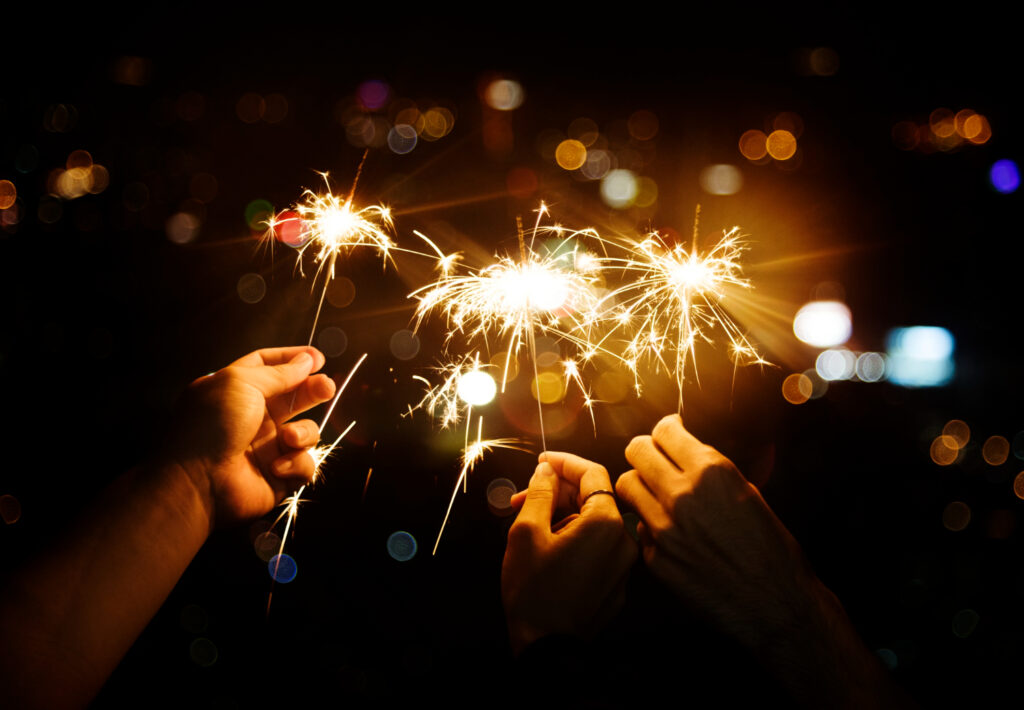
Table of Contents
- What Are the Biggest Safety Risks on New Year’s Eve?
- Hosting a Safe New Year’s Eve Gathering
- Fireworks Safety: What Should Homeowners Know?
- How to Stay Warm and Safe Outdoors
- Safe Travel on New Year’s Eve
- Apartment and High-Rise Safety
- Keeping Kids and Pets Safe
- Digital and Personal Safety at Midnight
- Winding Down Safely After the Celebration
New Year’s Eve always arrives with a certain buzz. You might be adjusting a playlist, pouring something warm into a mug, or stepping onto the porch to check how sharp the cold feels this year. Somewhere down the street, a few early fireworks crack in the dark. It’s festive, familiar, and easy to forget that winter and celebration don’t always mix neatly. According to the National Highway Traffic Safety Administration, impaired driving jumps significantly on this holiday, and local fire crews see their share of cooking and fireworks accidents.
But the evening doesn’t have to feel tense. When you understand where things typically go sideways, slick driveways, busy kitchens, overwhelmed pets, late-night travel, you can shape the night so it stays joyful instead of chaotic.
What Are the Biggest Safety Risks on New Year’s Eve?
This holiday compresses a lot into a few hours. Cold air settles in, sidewalks freeze without announcing themselves, and the kitchen becomes the unofficial gathering spot. Fireplaces burn hotter and longer than usual. Children weave between adults carrying full plates. Add fireworks and a lively crowd, and you start to see how small oversights can turn into bigger problems.
Crowds add their own rhythm. Whether you’re hosting or heading downtown, rooms fill quickly, and walkways narrow. That’s when spills, falls, and “Where did I set that candle?” moments tend to happen. Recognizing these patterns ahead of time helps your celebration unfold more calmly.
Hosting a Safe New Year’s Eve Gathering
1. How should you prepare your home before guests arrive?
Start with the outside. Brush away snow, break up icy patches, and make sure your porch light isn’t fading. Inside, clear a path past the doorway so guests aren’t dodging shoes and tote bags while they shrug off coats.
Pets need a little extra attention on nights like this. Fireworks tend to rattle even calm animals. The American Veterinary Medical Association suggests early exercise and a quiet room with steady background noise. It’s also a good moment to be sure collars or microchips list your current information.
2. How can you keep food and cooking safe during the celebration?
Holiday spreads look generous, though they cool faster than people realize. Perishable dishes should be refreshed or refrigerated within two hours. Smaller trays keep everything appetizing without taking you away from the fun.
If you’re still cooking as everyone settles in, the kitchen can turn into a crossroads. Keep towels and utensils away from burners and watch for wandering hands near the stovetop. According to USDA food safety experts, many holiday cooking accidents come down to simple distraction.
3. What is the safest way to serve alcohol as a host?
A smooth night usually has some gentle boundaries. Put nonalcoholic drinks front and center, serve food early, and ease off pouring stronger drinks in the final hour. Most people appreciate the chance to pace themselves.
If someone volunteered to drive, acknowledging it early sends a supportive message and helps them stick to their plan.
Fireworks Safety: What Should Homeowners Know?
Are consumer fireworks safe to use at home?
They can be, as long as you handle them carefully and legally. Check your city or county rules before buying anything. The National Fire Protection Association points out that even small fireworks cause thousands of injuries every year.
If fireworks are permitted where you live, choose a wide-open area and keep a hose or bucket of water nearby. Don’t attempt to relight a dud, no matter how harmless it looks. Cold air carries sparks more easily than people expect, so distance really matters.
Are sparklers safe for kids?
Most families are surprised to learn that sparklers burn at roughly 2,000 degrees Fahrenheit. That’s the sort of heat that melts metal. Glow sticks or light-up wands offer the same celebratory feel without the burn risk. Older children can use sparklers with close supervision, but remind them to walk slowly and keep the sparks at arm’s length.
How do you keep outdoor spaces safe during fireworks?
Before the sun sets, take a quick lap around your yard. Clear leaves from under decks, along fence lines, and around firewood piles. Even in winter, those dry pockets catch easily. It’s a three-minute chore that buys a lot of peace of mind.
How to Stay Warm and Safe Outdoors
1. What should you wear to protect against cold?
Dress for the still moments, not the warm ones, those minutes waiting outside for the countdown tend to chill you the fastest. A base layer, an insulating mid-layer, and something wind-resistant on top hold heat where you want it. Hats and gloves matter more than fashion suggests.
Wind chill turns an already cold night into one that stings. Even brief exposure can sap warmth quickly.
2. How can you avoid slips and falls at night?
A small flashlight or your phone light goes a long way when you’re moving over dark steps or unfamiliar sidewalks. Shoes with good traction do most of the heavy lifting. If kids are with you, reflective accents or glow bracelets help you keep track of them in the crowd.
3. How should you prepare your car for winter roads?
Tire pressure drops in cold weather, so check it before you leave. Top off washer fluid, especially if the roads were recently salted, and keep the tank at least half full. A blanket, phone charger, ice scraper, and a couple of snacks can turn an unexpected delay into a minor inconvenience instead of a stressful situation.
Safe Travel on New Year’s Eve
Should you plan transportation ahead of time?
Absolutely. Traffic thickens steadily, and rideshares often surge around midnight. Booking early or choosing a designated driver keeps the night predictable and spares you from scrambling when everyone else is doing the same.
How do you prevent impaired driving?
New Year’s Eve consistently sees higher alcohol-related crash rates, according to NHTSA data. If a guest hesitates about driving, offer a bed or call them a ride. People respond well to care framed as concern, not criticism.
What about safety at public events?
Large countdown gatherings feel electric, but they’re easier to navigate with a plan. Pick a meeting spot in case someone gets separated and keep essentials in interior pockets. Knowing where the exits are helps you move comfortably if the crowd tightens.
Apartment and High-Rise Safety
Why are balconies risky on New Year’s Eve?
The view can be irresistible, but balconies aren’t designed for fireworks or big groups. Many building codes forbid grills or heaters out there for good reason. Keep the space uncluttered and avoid crowding it. It keeps everyone safer and the railing unobstructed.
What should you do if the fire alarm goes off?
Treat every alarm as real until you know otherwise. Holiday cooking, candles, and even shower steam can trigger detectors, and false alarms are common. Follow your building’s evacuation routine until someone with authority gives the all-clear.
Keeping Kids and Pets Safe
How do you create a safe environment for kids?
A simple “kid zone” stocked with games or a movie gives younger guests a cozy place to land. It also steers them away from fireplaces, hot cookware, and the rush of adults moving through doorways. If you’re using a fireplace, add a protective screen.
How do you keep pets calm during fireworks?
Walk dogs before the noise ramps up and settle them in a quiet room with familiar bedding. The AVMA emphasizes the value of updated tags and microchips, since pets startled by loud noises sometimes slip out during celebrations.
Digital and Personal Safety at Midnight
How do you share safely on social media?
It’s tempting to post the countdown live, but broadcasting your location in real time poses personal and home-security risks. Save your photos for later and turn off geotagging for the night. Most people won’t notice the delay.
How do you protect your phone and wallet?
Crowds make things easy to drop or misplace. Keep essentials in interior pockets or a bag you can secure under your arm. Double-check that your phone’s tracking settings are turned on before you leave.
Are party poppers and confetti cannons safe?
They’re festive, but treat them with care. Aim them up and away from faces and take a few seconds to read the instructions, especially for compressed-air devices. They release more force than most people expect.
Winding Down Safely After the Celebration
1. What should you turn off before going to bed?
Extinguish fireplaces fully and switch off space heaters. Give flammable items a three-foot buffer from anything that radiates heat. FEMA warns that unattended heating equipment is a leading factor in winter house fires, so it’s worth a slow, deliberate sweep.
2. How should you handle the cleanup?
Take a few minutes to gather sparkler wires, confetti, or anything slippery underfoot. Hardwood floors and glittery debris don’t mix well, especially in the morning when everyone’s still sleepy.
3. What if someone needs to stay overnight?
Offer a blanket, water, and a comfortable spot to rest. Once guests settle, lock up, check on pets, and lower the lights. It creates a gentle close to an energetic night.